


 English
 中文简体
 русский
 Español
 Français
 عربى
 Português
 हिंदी
 Indonesia
 فارسی
 Tiếng Việt
 Türk



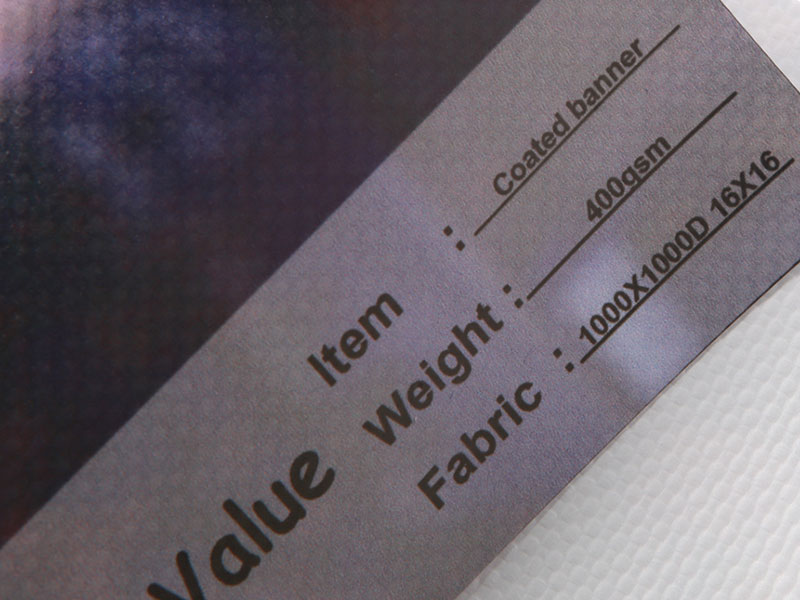

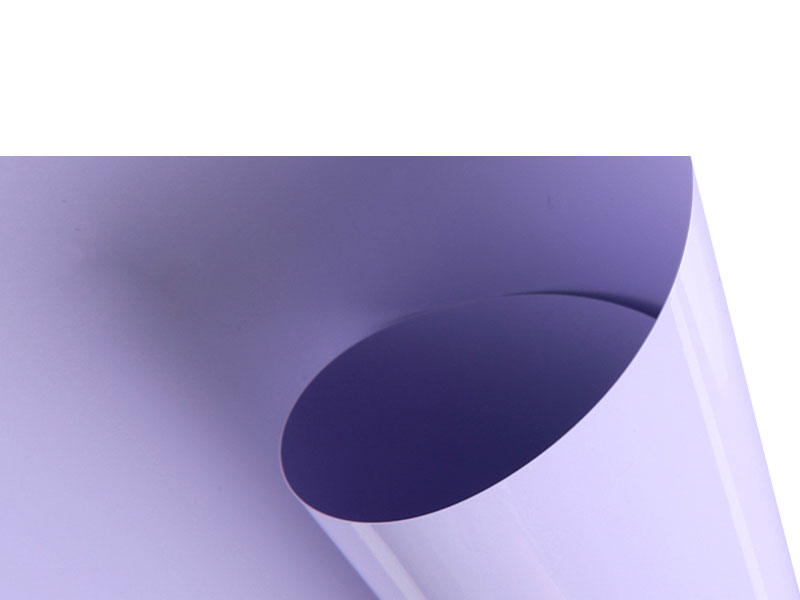
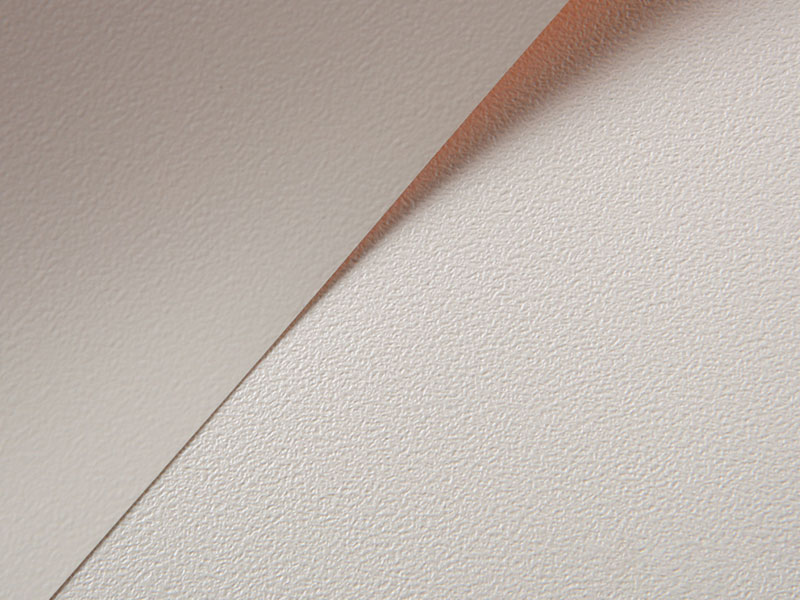

High-Precision Calendered PVC Film
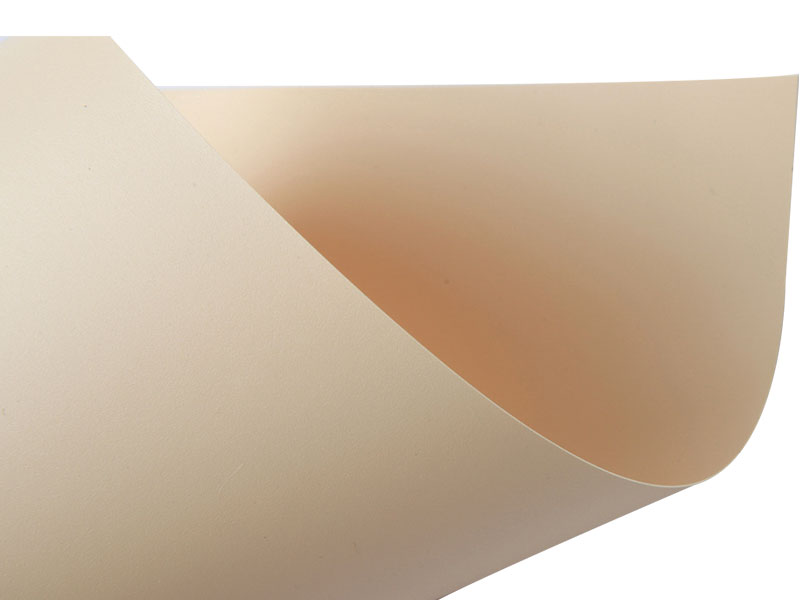
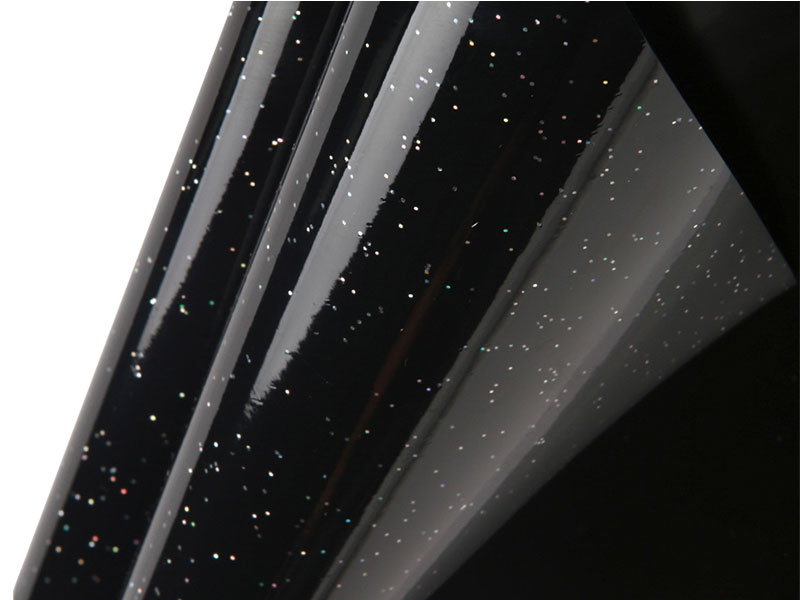
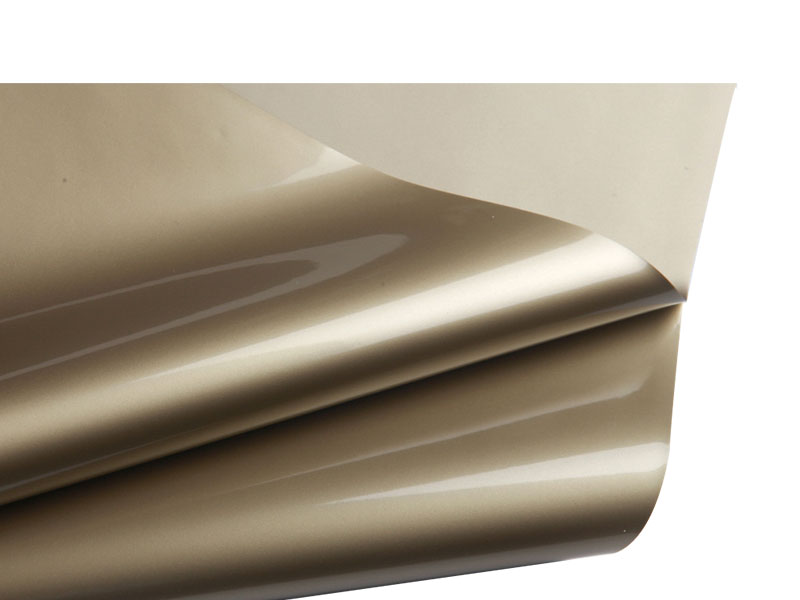
High-Precision Calendered PVC Film is a polyvinyl chloride sheet produced on a multi-roll calendering line in which thickness, width, and surface finish are controlled within tight tolerances. The film is supplied in gauges from 0.05 mm to 0.80 mm, with thickness tolerance held to +/- 0.005 mm on critical grades and width tolerance to +/- 0.5 mm. Surface finish is set by the final calender roll, producing mirror gloss, matte, or embossed textures without a secondary coating step. The film is used as a base material for printing, laminating, thermoforming, and die-cut conversion, and is specified where downstream processes require a consistent gauge across the full roll width and length.
Built to Your Conversion Line
High-Precision Calendered PVC Film is produced under an ODM/OEM arrangement. Gauge, width, surface finish, color, slip additive, and core specification are set to the buyer's conversion process. The tolerance band and surface requirement are recorded on a single parameter sheet, and that sheet is the acceptance standard for every roll shipped under the buyer's program.
Nominal thickness and tolerance band agreed per application, measured by online beta gauge
Gloss level, matte grade, or emboss pattern defined on a physical reference sample
Slip, anti-block, UV stabilizer, and color masterbatch set to the downstream process
Width, length, core diameter, splice count, and winding tension per the buyer's line
What Precision Changes in Conversion
Gauge Uniformity Across the Web
Thickness variation across the roll width is the primary cause of print registration drift and lamination wrinkles. High-Precision Calendered PVC Film is monitored by an online beta gauge that scans the full web continuously, and the cross-web profile is corrected by automatic roll gap adjustment. A flat gauge profile allows the converter to run at higher line speeds without tension compensation.
Repeatable Surface Finish
The final calender roll transfers its surface to the film under controlled pressure and temperature. Roll temperature is held within a narrow band so that gloss level does not drift from the start of a production run to the end. Converters printing on the film receive a consistent surface energy, which supports stable ink wetting across the full roll.
Edge Quality and Width Accuracy
Slitting is performed inline after calendering, and the slit edge is monitored for burrs, waviness, and width deviation. Clean edges support automatic web guiding on the converter's line and reduce edge waste during die cutting. Width tolerance of +/- 0.5 mm allows the converter to set a narrow trim margin.
Dimensional Stability After Conversion
The film is annealed during calendering to relieve internal stress. Residual shrinkage after conversion is held below 2% at 100°C for 10 minutes, so printed and laminated film does not distort when exposed to downstream heat or when installed in a warm environment.
Tolerance and Property Table
| Base Polymer | Polyvinyl chloride, plasticized or rigid grade |
| Gauge Range | 0.05 mm to 0.80 mm |
| Thickness Tolerance | +/- 0.005 mm on precision grades, +/- 0.010 mm on standard grades |
| Width Tolerance | +/- 0.5 mm |
| Cross-Web Gauge Variation | Within 1.5% of nominal |
| Surface Finish | Mirror gloss, matte, embossed |
| Gloss Level | 5 to 90 gloss units at 60 degrees |
| Residual Shrinkage | Below 2% at 100°C, 10 minutes |
| Tensile Strength | 40 MPa to 55 MPa (rigid grade) |
| Elongation at Break | 10% to 60% (grade dependent) |
| Roll Width | Up to 2.0 m |
| Roll Length | Up to 1,000 m |
| Core Diameter | 76 mm or 152 mm |
| Service Temperature Range | -15°C to +65°C |
Conversion Routes
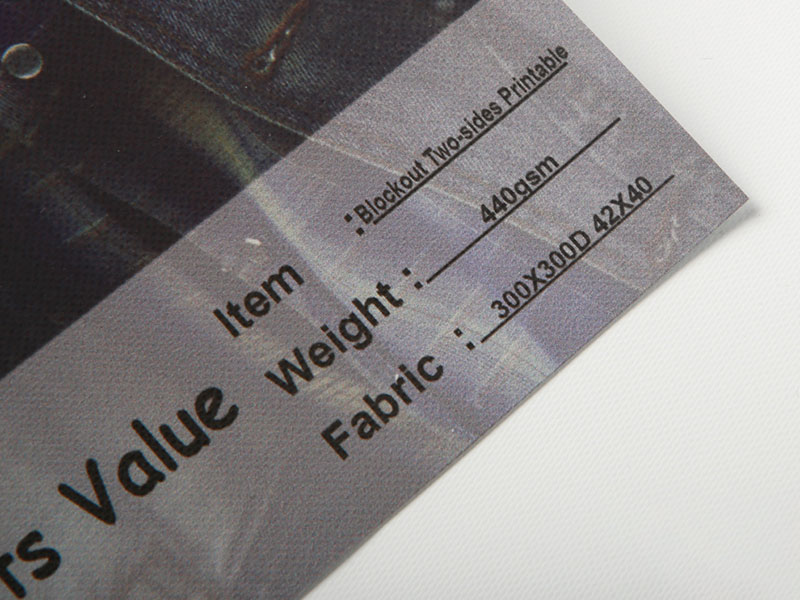
High-Precision Calendered PVC Film is printed by gravure, flexographic, and UV digital methods. A flat gauge profile keeps print registration tight across the web, and the annealed surface accepts solvent, water-based, and UV inks with a consistent dyne level.
The film is laminated to paper, board, non-woven, and other film substrates. Uniform gauge supports even adhesive coat weight and consistent nip pressure across the web, which reduces bond defects and delamination in the finished product.
Precision gauge control supports repeatable forming of thin-gauge parts such as packaging inserts and protective covers. Wall thickness in the formed part is predictable from the incoming gauge and the draw ratio.
Clean slit edges and consistent gauge allow the converter to run die cutting and slitting operations with narrow trim margins. Width accuracy reduces edge waste and improves the yield per roll on high-volume conversion runs.
Buyer Questions
How is thickness tolerance verified on each roll?
Thickness is monitored continuously during production by an online beta gauge that scans the full roll width. A quality certificate issued with each lot records the mean thickness and the maximum cross-web deviation, measured by offline micrometer at positions defined on the control plan. Buyers may request the raw gauge log for critical orders.
Does the film require corona treatment before printing?
Standard High-Precision Calendered PVC Film is supplied with a controlled surface energy suitable for solvent and UV inks. Water-based inks and certain adhesives may require in-line corona treatment at the converter. The dyne level of the supplied film is stated on the quality certificate, and the converter should verify it with a dyne pen before setting ink and adhesive parameters.
What causes gauge variation toward roll edges?
Gauge variation at roll edges originates from calender roll bending under load. The line is equipped with roll bending compensation, and the cross-web profile is corrected to keep edge-to-edge variation within the stated range. If a converter observes edge variation, the film should be checked against the certificate before the converter's own unwinding and web guiding setup is assessed.
Can the film be supplied in a rigid grade for packaging?
Yes. Rigid and semi-rigid grades are produced for packaging and forming applications. The plasticizer content is set per the application, and the tensile and elongation properties are quoted for the specific grade. Buyers should state the forming temperature and draw ratio so the grade can be selected against the forming window, not only against the room-temperature properties.
How should the rolls be stored before conversion?
Store rolls horizontally on a core-supported rack at 15°C to 25°C and 40% to 60% relative humidity. Allow rolls to reach line temperature for 24 hours before unwinding, because cold film is stiffer and produces higher tension at the same unwind setting. Keep the original wrap in place until the roll is mounted on the line.
Storage and Handling Notes
Store High-Precision Calendered PVC Film rolls horizontally on a core-supported rack at 15°C to 25°C and 40% to 60% relative humidity. Avoid direct sunlight and heat sources that soften the film.
Allow rolls to reach line temperature for 24 hours before conversion. Cold film is stiffer, and the same unwind tension setting will produce a different web tension in a cold roll.
Handle rolls with core supports or roll-lifting equipment. Dropping a roll on its side can deform the layers and create gauge variation at the roll edge.
Keep the original protective wrap in place until the roll is mounted. Dust on the film surface is pressed into the finish at the first nip and is difficult to remove without damaging the surface.
Store partially used rolls in the original wrap and label them with the lot number. Film from different lots should not be spliced together on a continuous conversion run.