

 English
 中文简体
 русский
 Español
 Français
 عربى
 Português
 हिंदी
 Indonesia
 فارسی
 Tiếng Việt
 Türk




UV Curable PVC Printable Film
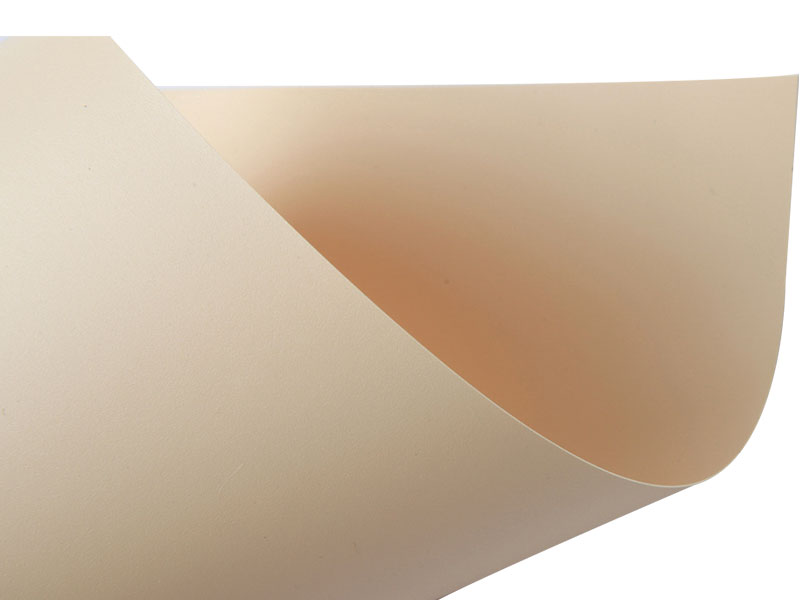
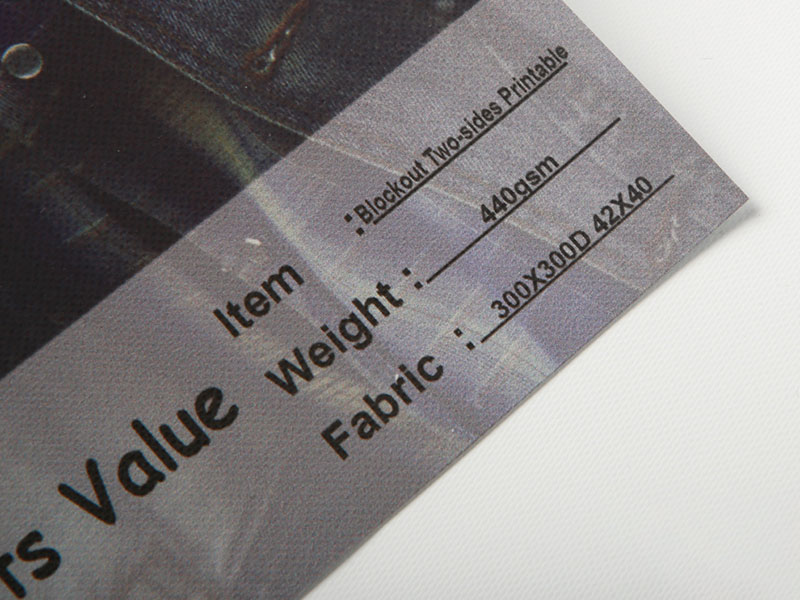
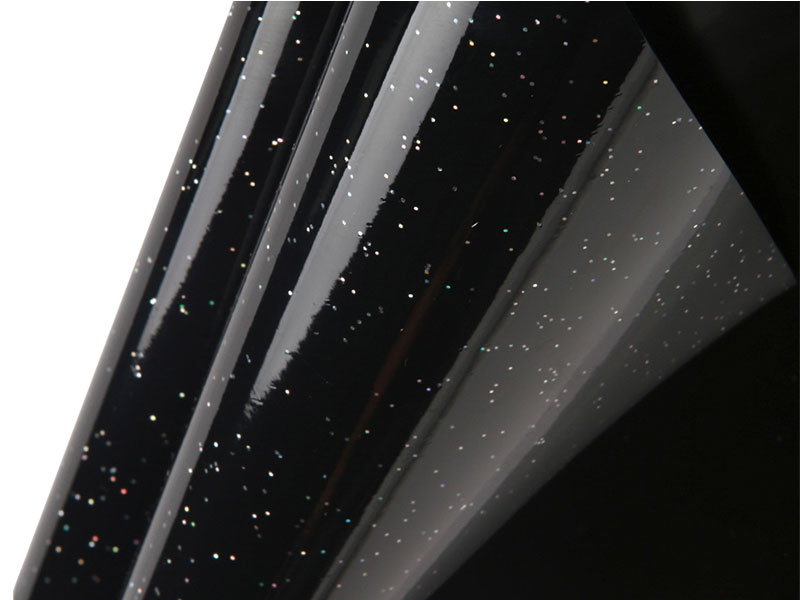
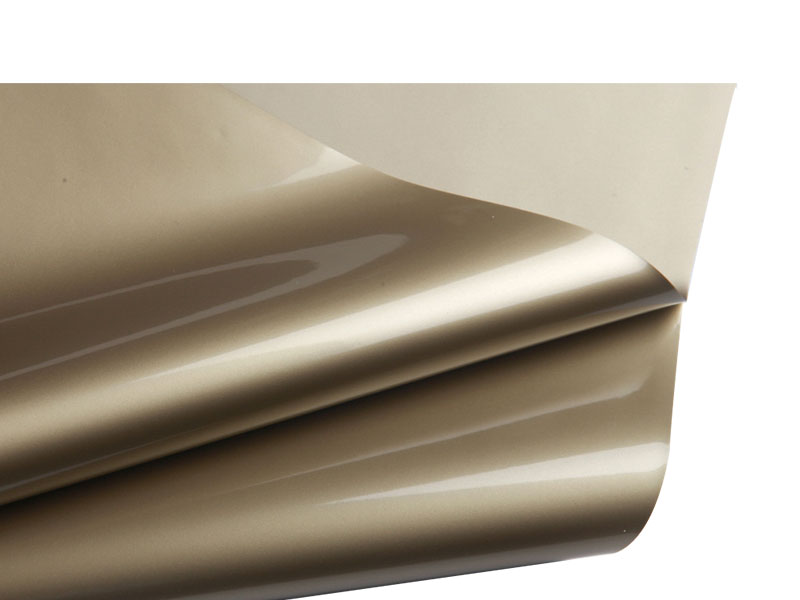
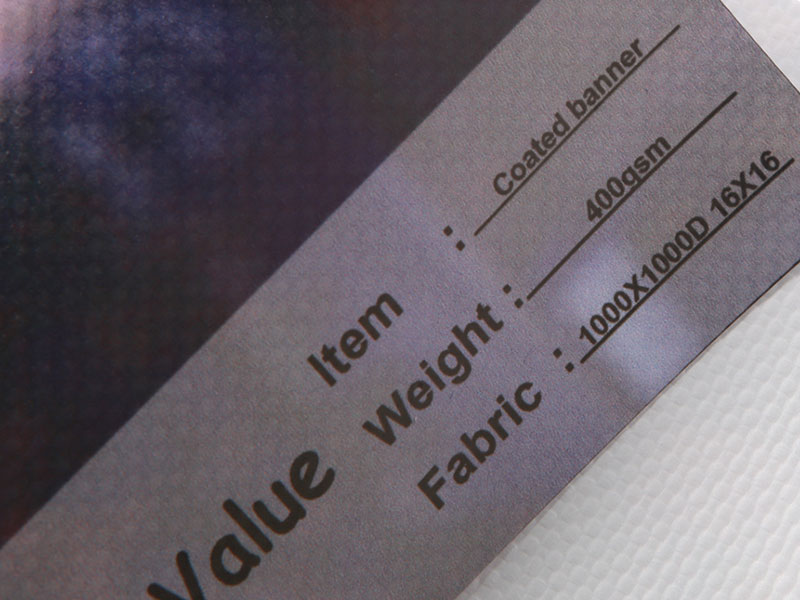
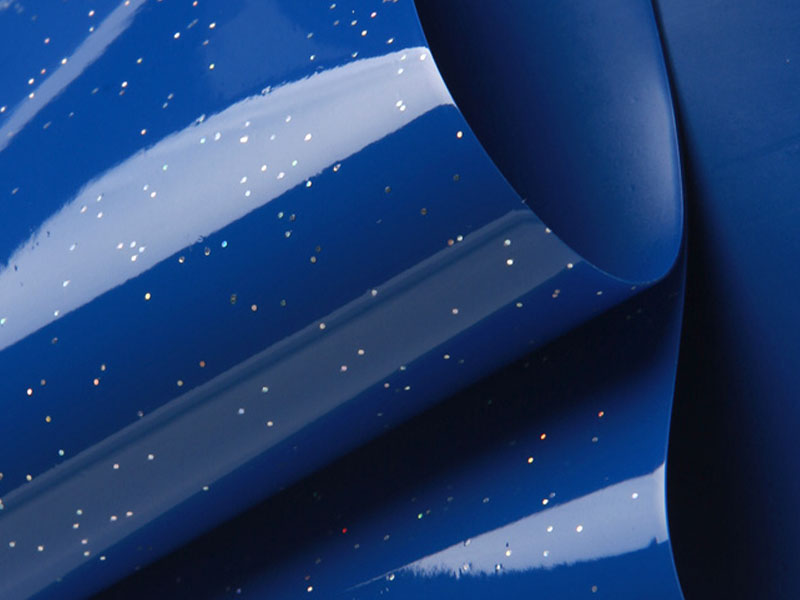
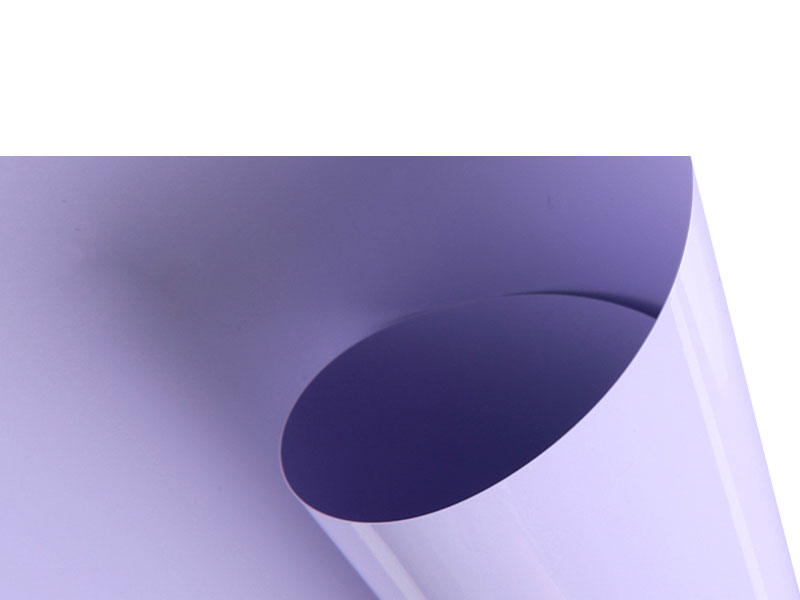
UV Curable PVC Printable Film is a polyvinyl chloride substrate engineered for direct-to-film digital printing with ultraviolet-curing ink systems. The film incorporates a receiver coating that controls ink dot gain and anchors UV inks during instantaneous curing under high-intensity mercury or LED lamps. Substrate thickness ranges from 0.08 mm to 0.30 mm, with gloss, semi-gloss, and matte surface options. The product is supplied in widths up to 3.2 m for wide-format roll-to-roll presses and is compatible with UV-curable, latex, and solvent ink sets where a primer layer is applied. Typical applications include interior graphics, point-of-purchase displays, wall murals, and vehicle wrap components where print resolution and surface durability are specified together.
Operational Value for Print Service Providers
Ink Receiver Coating Stability
UV Curable PVC Printable Film carries a micro-porous receiver layer that immobilizes UV ink droplets within milliseconds of jetting, preventing coalescence and feathering on high-speed print heads. Dot gain is held to 12% to 18% at 600 dpi, allowing 4 pt text and fine line detail to remain legible on finished graphic panels.
Instant Curing Compatibility
The film surface tolerates peak lamp temperatures during UV curing without gloss banding, orange peel, or surface distortion. Dimensional change after cure is below 0.15% at 0.20 mm thickness, so multi-panel graphics assembled on site maintain register across panel joints.
Adhesion to Multiple Ink Chemistries
Cross-hatch adhesion testing to ASTM D3359 returns classification 5B for UV-curable inks and 4B to 5B for latex inks on primed stock. The receiver layer accepts white ink underlayers without pinholing, supporting backlit and opaque graphic builds on a single substrate.
Converting and Finishing Latitude
UV Curable PVC Printable Film accepts cold lamination, application tape transfer, die cutting, and plotter contour cutting. The film does not curl at trimmed edges when stored flat at 20°C to 25°C, which supports pre-print assembly workflows for retail display programs.
Material Specification Data
Where the Film Is Specified
Retail Graphics
UV Curable PVC Printable Film is used for shelf-edge strips, window graphics, and floor decals in retail environments. The receiver coating supports high-resolution brand imagery and barcode printing on a single pass, and the finished graphic resists scuffing from cart traffic when laminated or top-coated.
Interior Wall Murals
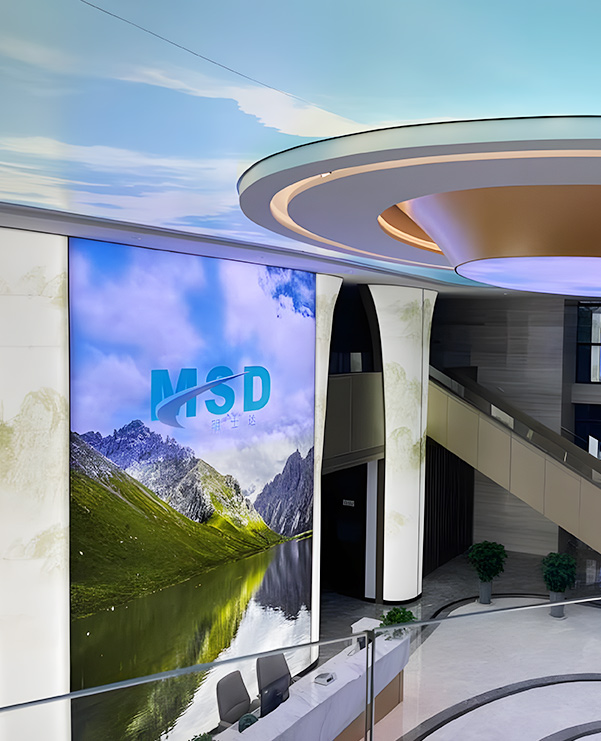
Architects and interior contractors specify the film for printed feature walls in offices, clinics, and hospitality lobbies. Rolls up to 3.2 m wide reduce panel seams on tall walls, and the matte surface option limits glare under downlight arrays.
Point-of-Purchase Displays
Pop-up stands, endcap panels, and free-standing display units use the film because it accepts die cutting and folding without edge cracking. UV-cured prints on the film maintain color density after repeated assembly and disassembly cycles.
Procurement and Production Questions
Which UV lamp configuration is compatible with the film?
UV Curable PVC Printable Film is formulated for both mercury vapor and LED-UV curing units. For mercury lamps, peak irradiance at the film surface should be monitored to avoid heat-induced gloss variation on thin gauges below 0.15 mm. LED-UV units operating at 395 nm cure the ink without substrate heating, which is preferred for 0.08 mm stock.
How should printed rolls be stored before converting?
Printed rolls should be wound print-side out with an interleaf, stored at 18°C to 25°C and 40% to 60% relative humidity, and used within 30 days of printing. UV-cured inks on the film continue to post-cure for 24 to 48 hours, so cutting and lamination should follow a minimum 24-hour dwell to allow full ink adhesion development.
Can the film be printed with white ink for backlit applications?
Translucent grades of UV Curable PVC Printable Film accept white UV ink underlayers without pinholing at 600 dpi and above. For uniform backlight diffusion, a double white hit is recommended, followed by color layers. Light transmission of the finished assembly is measured on the printed panel, not on unprinted stock, because white ink density varies by press and curing profile.
What causes edge curl after contour cutting?
Edge curl on cut graphics typically results from insufficient dwell time after printing, storage at low humidity, or cutting with a dull blade that stretches the film edge. Allow 24-hour dwell, store flat at 20°C to 25°C, and replace plotter blades at the intervals recommended by the cutter manufacturer. If curl persists, verify that the liner release force is within the specification range for the film grade in use.
Does the receiver coating affect lamination adhesion?
The receiver coating is designed to bond with pressure-sensitive and thermal laminating adhesives. For cold lamination, select a laminating film with an acrylic adhesive rated for PVC substrates. Surface energy of the printed film should be verified with a dyne pen before lamination; values of 38 dyn/cm or higher indicate adequate wetting for adhesive bond formation.
Handling and Processing Cautions
- Unroll UV Curable PVC Printable Film slowly and uniformly. Rapid unwinding generates static charge that attracts dust to the receiver coating and causes print head misfires in the first meter of a run.
- Maintain press room humidity between 40% and 60% relative humidity. Low humidity increases static and curl; high humidity softens the receiver coating and slows ink setting.
- Do not stack printed sheets face-to-face without interleaf paper. UV-cured ink surfaces can block or transfer under load, particularly on gloss grades.
- Prime solvent and latex printing with the primer recommended by the film supplier. Unprimed solvent printing on the receiver coating may exhibit adhesion loss after 72 hours.
- Store unprinted rolls horizontally on a core-supported rack. Vertical storage of rolls below 0.15 mm thickness can cause telescoping and edge damage over extended periods.