

 English
 中文简体
 русский
 Español
 Français
 عربى
 Português
 हिंदी
 Indonesia
 فارسی
 Tiếng Việt
 Türk



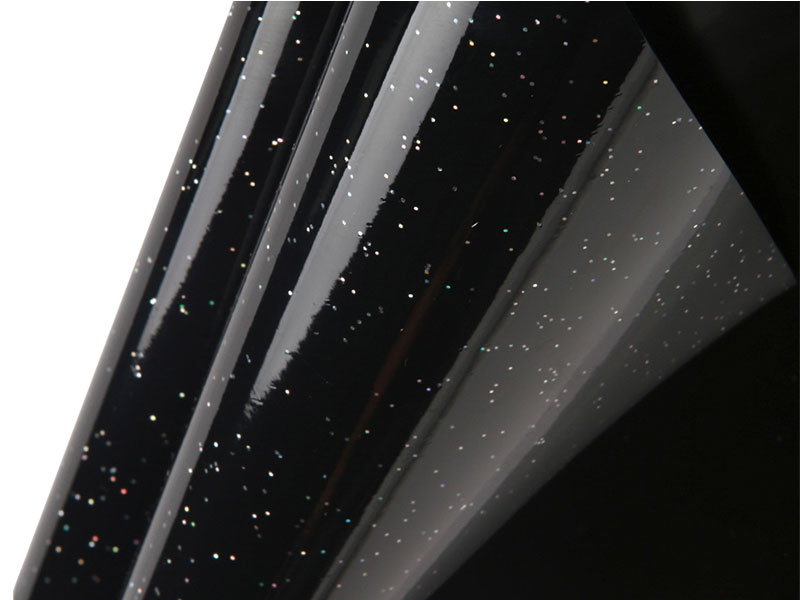
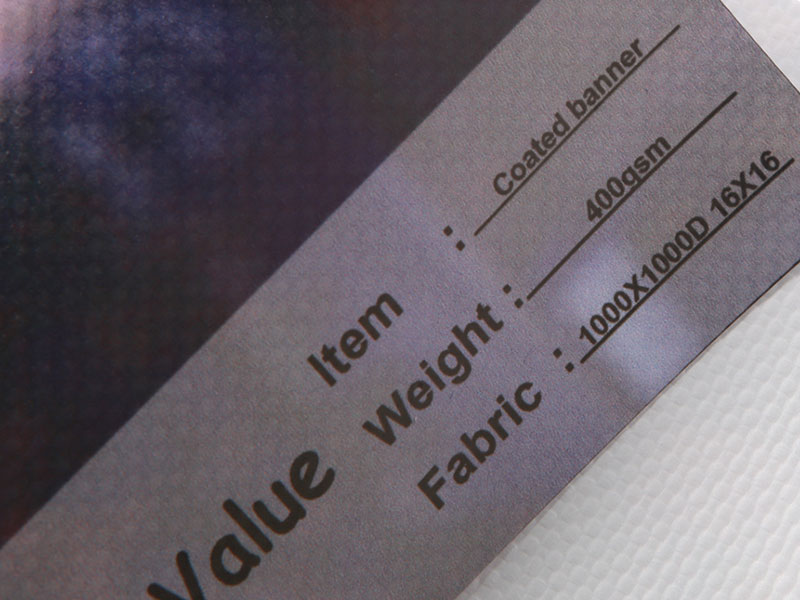
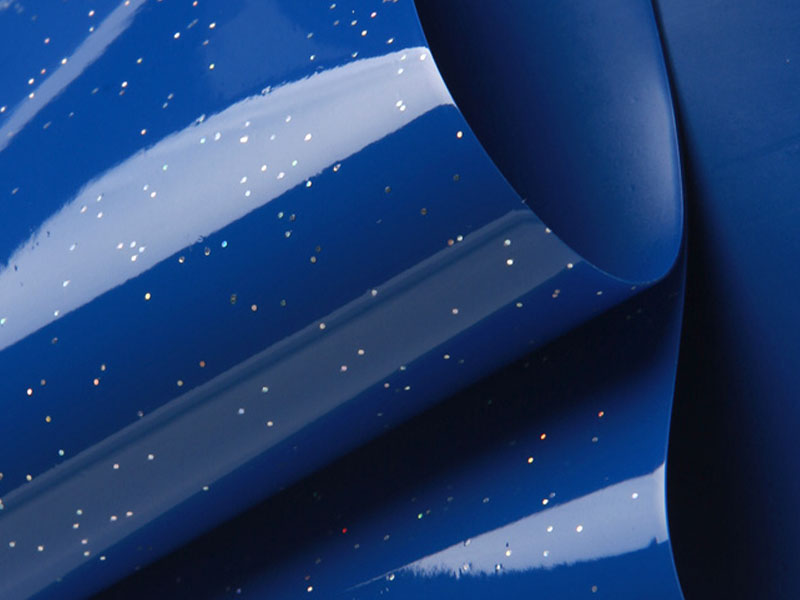
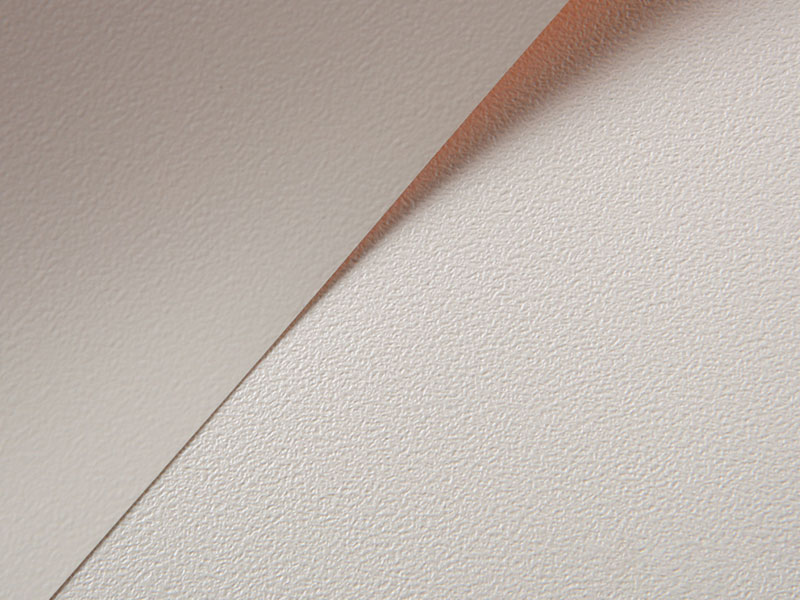

Embossed PVC Decorative Film
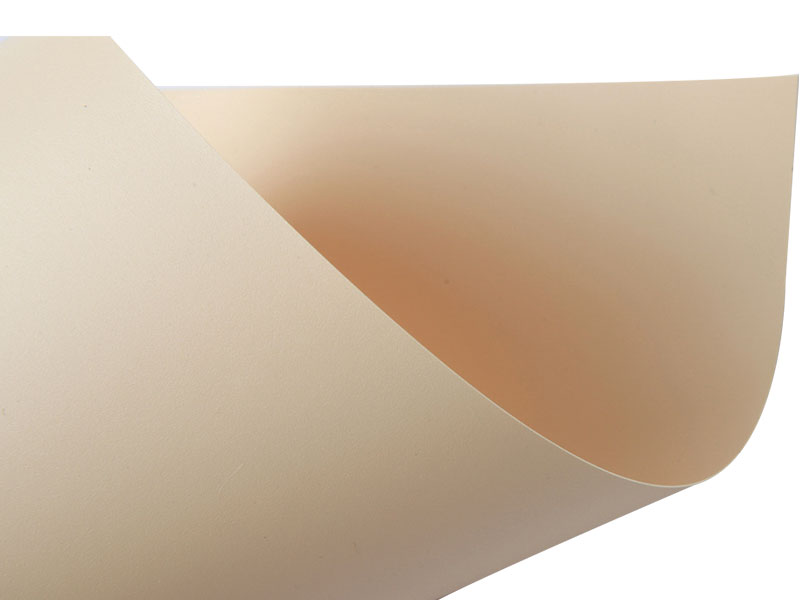
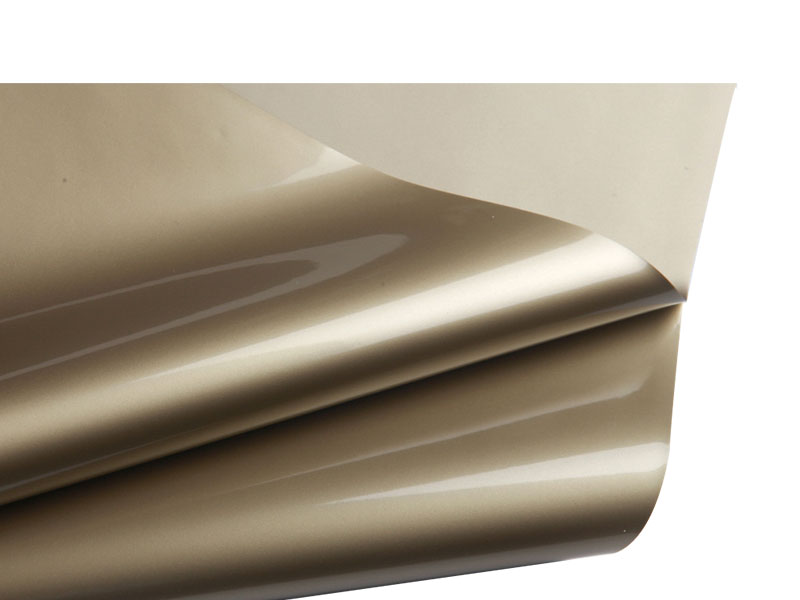
Embossed PVC Decorative Film is a polyvinyl chloride surface film whose texture is produced by a patterned embossing roller during or after film formation. The relief pattern ranges from fine pore structures and wood grain channels to deep geometric and fabric textures, with emboss depth typically between 20 and 150 microns. The film is supplied in rolls of 0.10 mm to 0.60 mm thickness and is bonded to MDF, particleboard, PVC foam board, and aluminum profiles through membrane pressing, profile wrapping, flat lamination, or vacuum forming. Surface texture is the primary design variable, and the emboss pattern is either registered to a printed image or applied as a standalone tactile effect on a solid color film.
Custom Emboss and Film Program
Embossed PVC Decorative Film is developed under an ODM/OEM arrangement. Buyers submit a texture sample, a reference photograph, or an emboss pattern file, and a matching embossing roller is produced or selected from the existing pattern bank. Thickness, base color, print registration, gloss level, and roll format are set on the same approval sheet, and the approved texture sample is retained as the reference for every subsequent production lot.
Emboss Pattern Categories
Long, directional grain lines that follow the printed wood image. Depth 40 to 120 microns, registered within +/- 0.3 mm of the print.
Small, dense pore structures that reduce surface gloss and imitate open-grain species. Depth 20 to 50 microns.
Woven relief that produces a textile hand feel on solid color films. Depth 30 to 80 microns, applied without print registration.
Raised line and grid patterns for feature surfaces. Depth 80 to 150 microns, requiring a thicker base film and a matched forming process.
Material Parameters
Process Routes
Membrane Press
Embossed PVC Decorative Film is placed over MDF or particleboard with a heat-activated adhesive and pressed under a silicone membrane. The deep emboss patterns require a matching membrane and a press cycle that allows the film to conform to the relief without flattening the texture at panel edges.
Profile Wrapping
The film is wrapped around aluminum, PVC, and MDF profiles used in door frames, window trim, and furniture edges. Fine and medium emboss patterns wrap radiused corners without visible flattening, while deep geometric patterns are limited to larger radii and flat faces.
Flat Lamination
Continuous laminating lines bond the film to flat panels using PU or hot-melt adhesive. The emboss texture is preserved at line speeds up to 40 m/min when the nip pressure and adhesive coat weight are set within the range recommended for the pattern depth.
Vacuum Forming
Thermoformed cabinet doors and interior components use the film where a raised panel or contoured shape must carry a texture across the formed surface. Pattern depth is reduced at deep draws, and the buyer should confirm the acceptable texture loss at the draw corners on a formed sample.
Buyer Questions
How is an emboss pattern approved before production?
The buyer supplies a physical texture sample, a surface scan, or a description of the target relief. A trial film is produced with the selected roller and surface finish, and the trial is sent as a physical sample for tactile and visual approval. The signed trial sample becomes the master reference, and production is compared against it under defined lighting and viewing distance.
Can a new emboss pattern be developed from a photograph?
A photograph can guide pattern selection, but it does not carry enough depth information to engrave a roller directly. The factory converts the photograph into a relief model, selects a roller with a comparable structure, and produces a trial film. The buyer should expect the trial texture to approximate the photograph rather than reproduce it exactly, and the approved trial is what governs production.
What causes emboss flattening after lamination?
Emboss flattening after lamination results from excessive nip pressure, adhesive coat weight above the recommended range, or lamination temperature at the upper end of the process window. The film softens and the relief collapses under the nip. Reducing pressure and verifying adhesive weight against the pattern depth specification resolves the condition without changing the film.
Is the emboss pattern registered to the printed image?
Registration is optional. Wood grain films are normally produced with registered emboss so the texture channels follow the printed grain lines, held within +/- 0.3 mm. Solid color and fabric-texture films are produced with unregistered emboss because there is no printed image to align to. Buyers should specify registered or unregistered on the order sheet, because the two production routes use different tooling setups.
How does the film behave after forming at deep draws?
At deep draws, the film stretches and the emboss relief reduces in the drawn area. Fine pore and fabric patterns retain more of their texture after forming than deep geometric patterns. Buyers specifying vacuum forming should request a formed sample at the intended draw depth and evaluate the texture on the sample, not on flat stock.
Storage and Handling Notes
- Store Embossed PVC Decorative Film rolls upright in a dry room at 15°C to 25°C. Do not lay rolls horizontally, because the emboss relief is compressed under the roll weight and the flattening is permanent.
- Allow rolls to reach room temperature for 24 hours before lamination or forming. Cold film is less able to conform to the relief and produces higher unwinding tension.
- Keep the protective interleaf in place until the film reaches the lamination nip. Dust trapped in the emboss valleys is difficult to remove and shows as light specks on the finished surface.
- Clean finished surfaces with a soft cloth and neutral detergent, wiping along the direction of the emboss channels. Abrasive pads and solvent cleaners flatten the relief and remove the surface lacquer.
- Do not stack finished embossed panels face-to-face without an interleaf. The relief on one panel can mark the surface of the panel beneath it under load or during transport.