

 English
 中文简体
 русский
 Español
 Français
 عربى
 Português
 हिंदी
 Indonesia
 فارسی
 Tiếng Việt
 Türk





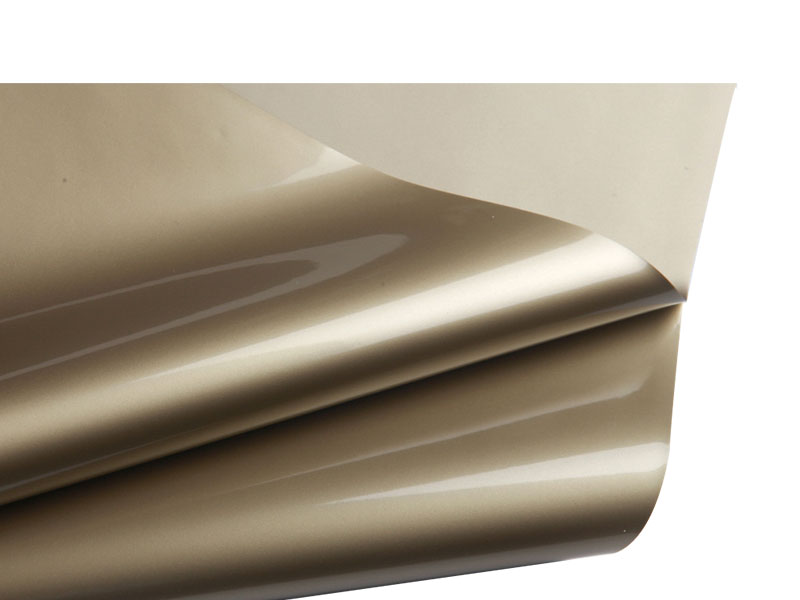

Non-Phthalate PVC Wear Layer
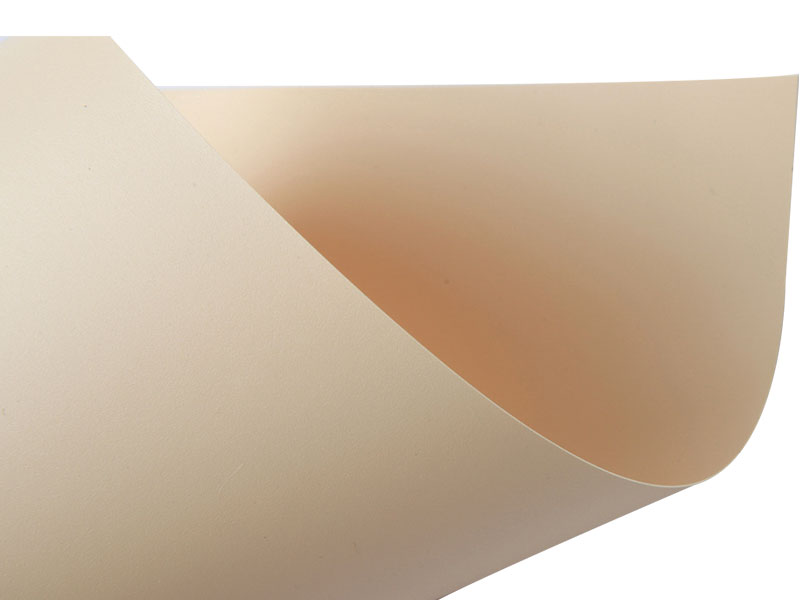
Non-Phthalate PVC Wear Layer is a transparent thermoplastic film formulated with non-phthalate plasticizers, laminated to the surface of resilient flooring or wall covering substrates to provide abrasion protection and stain resistance. The film is supplied in roll form with thicknesses typically ranging from 0.15 mm to 0.55 mm, and is bonded through heat lamination, adhesive lamination, or UV-cured coating processes. Plasticizer systems are based on terephthalate, citrate, or other non-phthalate chemistries, enabling finished products to comply with REACH Annex XVII restrictions and to meet emissions requirements for indoor air quality schemes such as FloorScore and GREENGUARD Gold. The wear layer is specified for commercial flooring, healthcare flooring, and educational facilities where both performance durability and material compliance documentation are required.
Performance Advantages in B2B Supply Chains
Abrasion and Scratch Resistance
Non-Phthalate PVC Wear Layer is formulated with a high molecular weight resin and a polyurethane topcoat option, achieving Taber abrasion values of 2,000 to 15,000 cycles depending on product grade. The surface resists scuffing from footwear, rolling loads, and furniture casters, reducing the frequency of floor refinishing in high-traffic corridors and retail sales floors.
Plasticizer Migration Control
Non-phthalate plasticizers in the wear layer exhibit low volatility and low extraction rates. This limits plasticizer migration into adjacent adhesive layers and prevents surface tackiness, discoloration, and dimensional change over the service life of the flooring assembly. Migration testing to ISO 177 or ASTM D2199 is available for project documentation.
Chemical and Stain Resistance
The wear layer withstands common commercial cleaning agents, including quaternary ammonium disinfectants, hydrogen peroxide formulations, and diluted sodium hypochlorite. Resistance testing to ASTM F925 covers common staining agents such as iodine, betadine, shoe polish, and rust, supporting specification in healthcare and food service environments.
Regulatory Documentation for Project Compliance
Non-Phthalate PVC Wear Layer is supplied with material composition declarations, REACH SVHC statements, and third-party emissions certificates. This documentation supports building projects pursuing LEED v4.1 Materials and Resources credits, WELL Building Standard feature requirements, and regional procurement policies restricting phthalate content in interior finishes.
Technical Data Summary
Application Areas
Healthcare Flooring
Non-Phthalate PVC Wear Layer is specified for patient rooms, corridors, and operating theater flooring where phthalate-free material declarations are required by procurement policies. The wear layer supports disinfectant protocols and resists staining from clinical agents such as povidone-iodine and chlorhexidine.
Educational Facilities
Classrooms, libraries, and multi-purpose halls require flooring surfaces that resist scuffing from furniture movement and comply with indoor air quality guidelines for children's environments. Non-phthalate formulations address procurement specifications that restrict phthalate content in school construction materials.
Retail and Commercial Interiors
Sales floors, aisle ways, and checkout zones subject to rolling loads and frequent cleaning use the wear layer for surface protection. The clear film maintains pattern visibility and color stability under continuous lighting exposure.
Frequently Asked Questions for Procurement Teams
What documentation is available to verify non-phthalate content?
Suppliers provide a material composition declaration listing plasticizer chemistry, a REACH SVHC statement confirming absence of substances above 0.1% w/w, and where applicable, a third-party test report to ASTM D3421 or EN 14372 for phthalate ester content. These documents are issued per production batch and reference the specific product code.
How does the wear layer perform under rolling loads in commercial corridors?
Rolling load resistance depends on the wear layer thickness and the underlying substrate. For corridors with patient beds, carts, and pallet jacks, a wear layer of 0.55 mm or greater with a polyurethane topcoat is specified. Testing to ASTM F2753 or EN 425 provides residual indentation data for specification review.
Can the wear layer be laminated in-house or must it be factory-applied?
Non-Phthalate PVC Wear Layer can be supplied as a standalone film for lamination by the flooring manufacturer, or as a pre-laminated composite. In-house lamination requires a calender or hot-melt laminating line with temperature control within +/- 3°C to achieve consistent bond strength. Factory pre-lamination is specified where the flooring producer does not operate lamination equipment.
What is the expected service life of the wear layer in a high-traffic application?
Service life is determined by wear layer thickness, topcoat type, and maintenance regime. A 0.55 mm wear layer with a UV-cured polyurethane topcoat in a commercial corridor typically maintains pattern integrity for 10 to 15 years under a maintenance schedule of daily dust mopping and periodic neutral detergent cleaning. Wear layer replacement is not feasible; the entire flooring surface is replaced at end of life.
Does the wear layer affect the slip resistance of the finished floor?
The wear layer itself does not provide slip resistance; that property is determined by the surface texture of the substrate or by an embossed pattern in the wear layer. For wet areas, a wear layer with a raised emboss or a separate anti-slip coating is specified. Testing to ASTM D2047 or DIN 51130 is performed on the finished assembly, not on the wear layer alone.
Handling and Storage Notes
- Store Non-Phthalate PVC Wear Layer rolls in a clean, dry area at 15°C to 25°C, away from direct sunlight. Protect roll edges from impact damage during handling and transport.
- Allow rolls to reach room temperature before unwinding to prevent surface cracking or curl at the film edges. Unwind slowly and uniformly during lamination.
- Do not stack rolls more than three units high. Excessive compression can cause blocking between film layers, particularly in untreated film grades.
- Clean the wear layer surface with a neutral detergent solution and a soft mop or cloth. Avoid abrasive pads, solvent-based cleaners, and high-alkaline products that degrade the polyurethane topcoat.
- Confirm compatibility between the wear layer plasticizer system and the flooring adhesive before lamination. Incompatible plasticizers can cause adhesive plasticizer migration and bond failure.