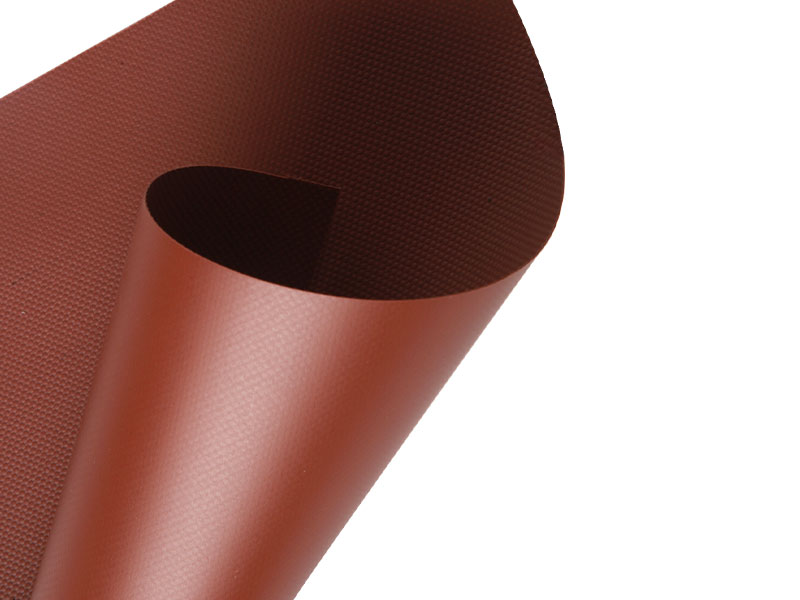
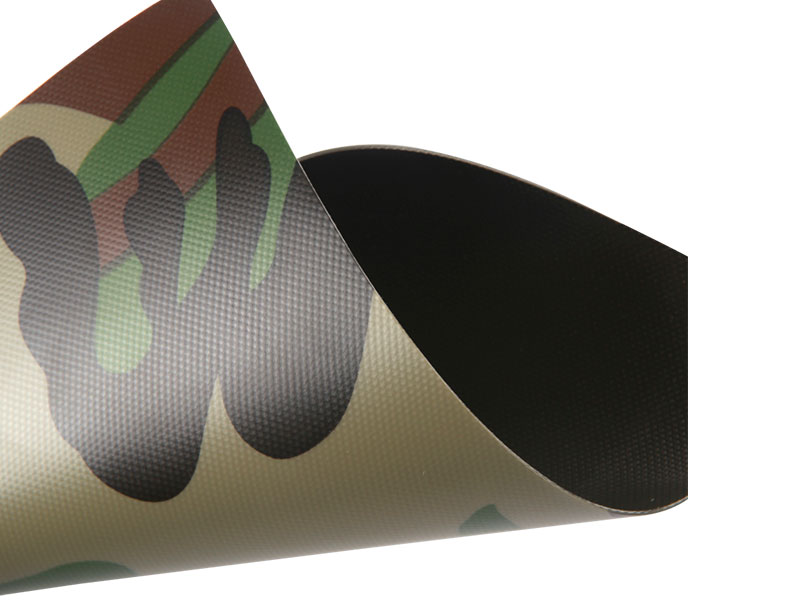
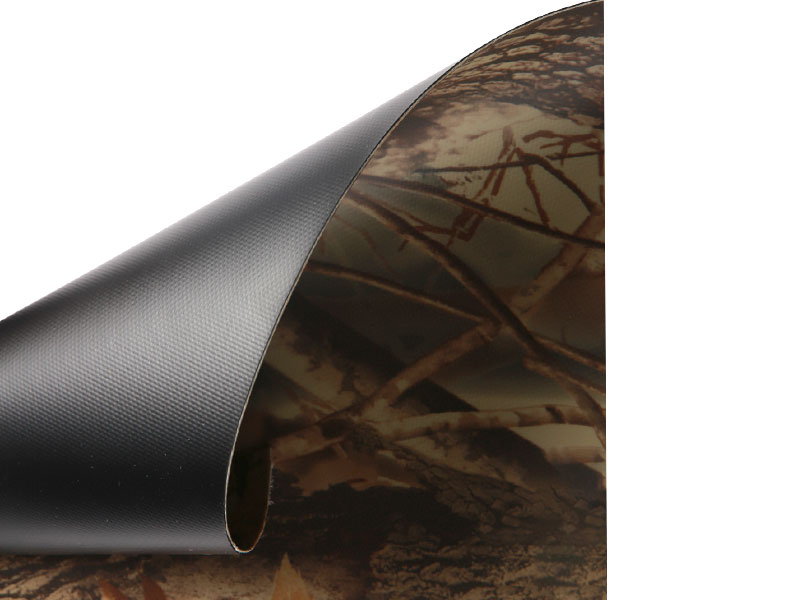
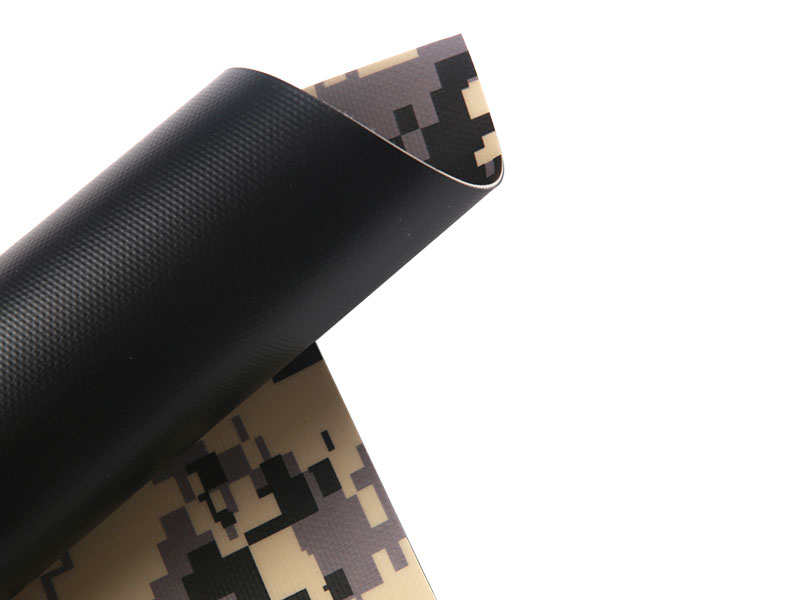
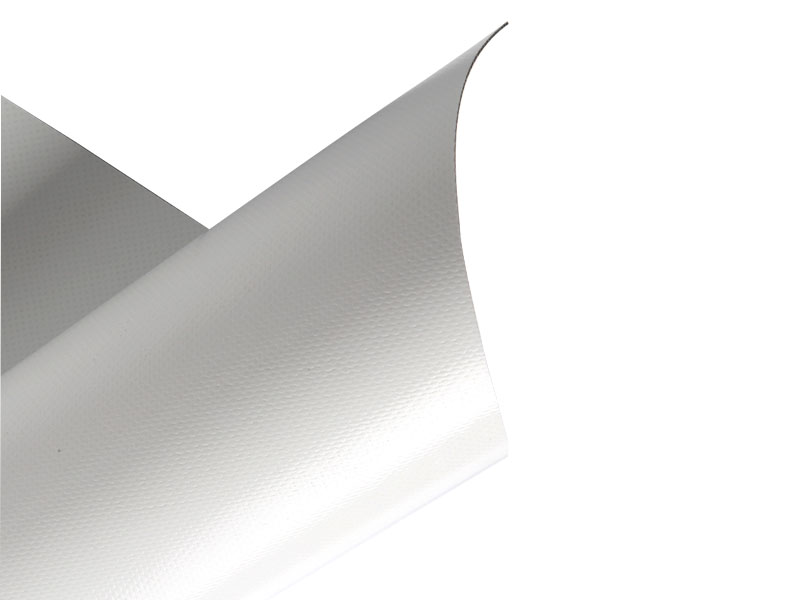
The 900GSM 1000D 30X30 Membrane Structure PVC Coated Polyester Fabric is a heavy-duty architectural material engineered for permanent and semi-permanent tensioned structures. Constructed with a high-tenacity 1000-denier polyester base cloth in a dense 30x30 weave, this fabric provides the structural foundation required for large-span architectural designs. The material is encapsulated in a specialized PVC coating on both sides, which is further treated with surface lacquering to enhance its environmental resistance. With a total weight of 900 grams per square meter (GSM), it offers a balance of mechanical strength and flexibility, enabling the creation of complex geometric shapes in modern membrane architecture. This technical fabric is designed to withstand continuous tension while maintaining dimensional stability under varying thermal and mechanical loads.
▲
High Load Capacity
1000D 30x30 weave with ≥4000N/5cm tensile strength
■
Dimensional Stability
Low-elongation polyester minimizes deformation
●
Self-Cleaning
PVDF surface treatment repels dust and pollutants
Core Technical Advantages
- Structural Load Capacity: The 1000D 30x30 base weave provides high tensile and tear strength, essential for supporting snow and wind loads in large-scale membrane structures.
- Dimensional Stability: Low-wicking and low-elongation polyester fibers minimize deformation over time, ensuring the tension of the membrane remains within engineering specifications.
- Coating Adhesion: Advanced knife-coating technology ensures a chemical bond between the PVC layers and the polyester core, preventing delamination under extreme weather conditions.
- Self-Cleaning Properties: PVDF or Acrylic surface treatments reduce the surface energy of the fabric, allowing rainwater to wash away dust, bird droppings, and industrial pollutants.
Material Characteristics and Specifications
Base Fabric
1000D * 1000D (1100 dtex)
Thread Count
30 * 30 per square inch
Total Weight
900 GSM (±20g)
Breaking Strength
≥4000/3800 N/5cm (Warp/Weft)
Flame Retardancy
B1 / B2 / NFPA 701 compliant
Temperature Resistance
-30°C to +70°C
Primary Application Scenarios
Stadiums
Roofing and facades for sports arenas with long-span coverage
Transport Hubs
Airport terminals, railway platforms, bus station canopies
Industrial Storage
Bulk storage warehouses and temporary logistical hangars
Landscape
Shade sails, park pavilions, amphitheater coverings
Installation and Maintenance Protocol
- Tension Management: Installation must be performed using calibrated tensioning equipment. Improper tensioning can lead to water pooling or localized stress fractures.
- Welding Methods: The material is compatible with High-Frequency welding and Hot-Air welding. All seam strengths should be tested.
- Cleaning Guidelines: Use only pH-neutral detergents and soft brushes. Avoid abrasive tools or solvent-based cleaners.
- Storage Conditions: Rolls should be stored horizontally in a dry, ventilated environment. Avoid direct prolonged sunlight exposure.
Certifications
EN 13501-1, M2, ASTM E84, ISO 9001
Welding Test
HF weld strength ≥80% of base fabric
Wind Load Test
ETAG 10 compliant
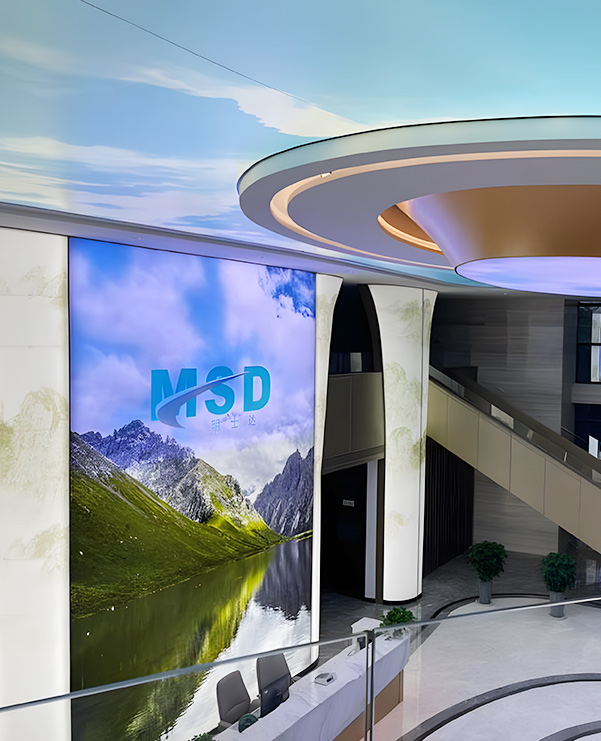
Combined with advanced membrane design software and 3D form-finding analysis, the 900GSM 1000D 30X30 PVC Polyester Fabric has become a preferred membrane material for major public buildings, commercial complexes, and cultural sports landmarks. Balancing strength, translucency and aesthetics, the product is available in standard widths from 1.5m to 3.2m, with custom roll lengths and RAL color options.




 English
 中文简体
中文简体 русский
 Español
 Français
 عربى
عربى Português
 हिंदी
हिंदी Indonesia
 فارسی
فارسی Tiếng Việt
 Türk
Türk
 +86-(0)573-87985868