


 English
 中文简体
 русский
 Español
 Français
 عربى
 Português
 हिंदी
 Indonesia
 فارسی
 Tiếng Việt
 Türk



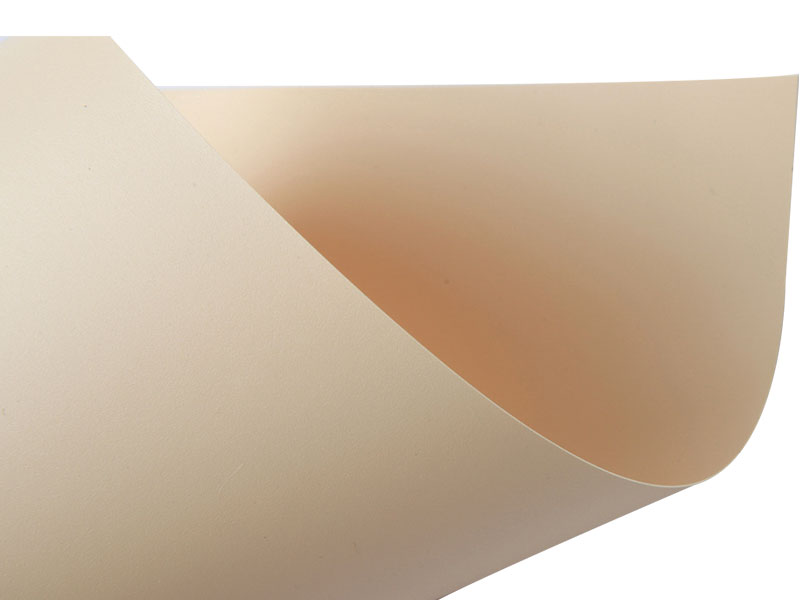
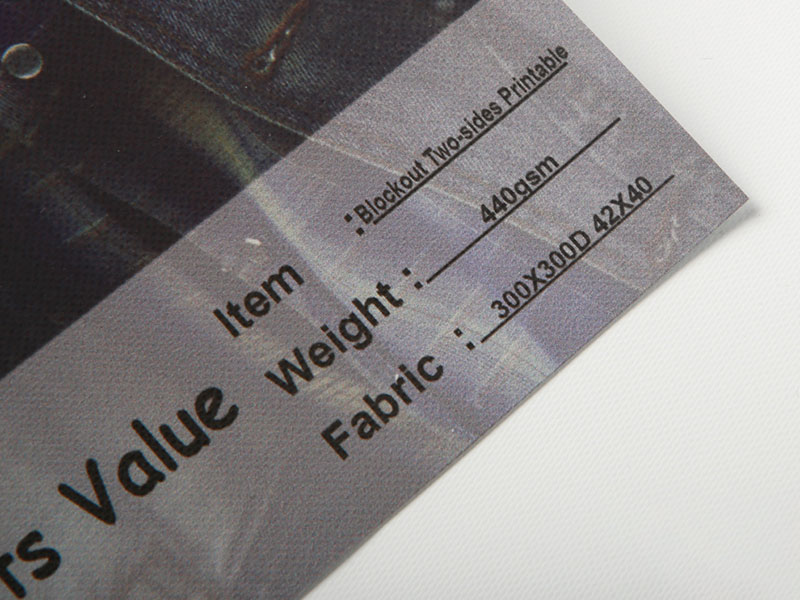
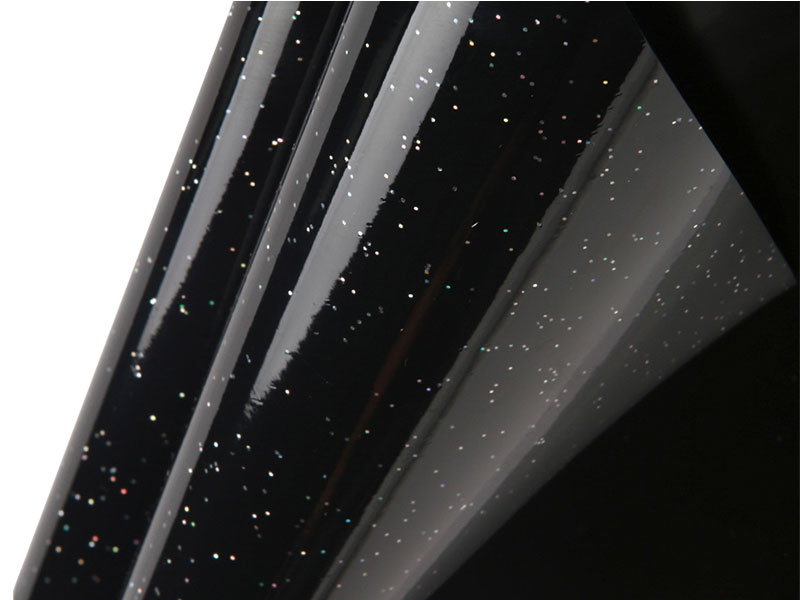
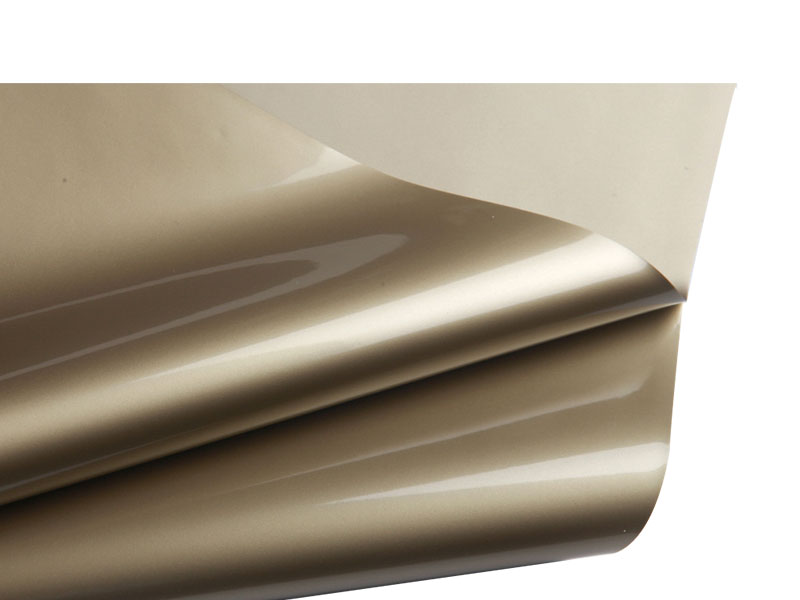
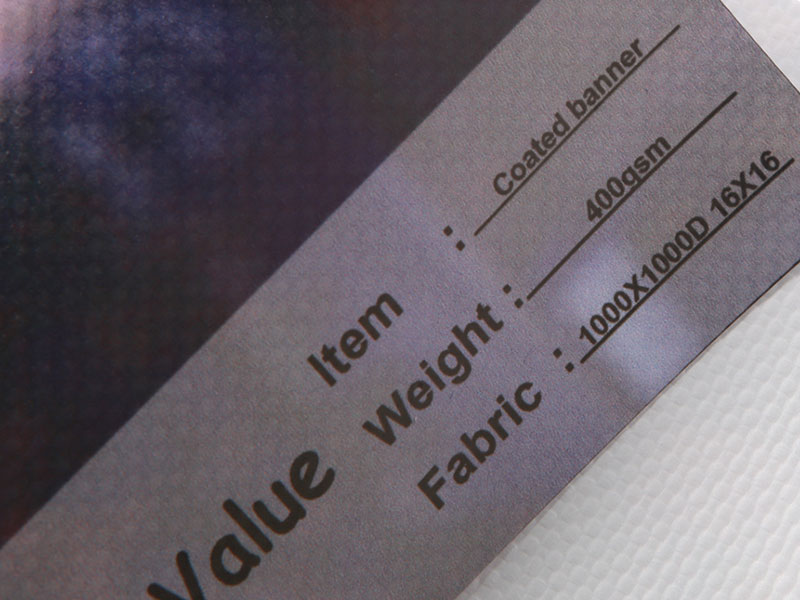

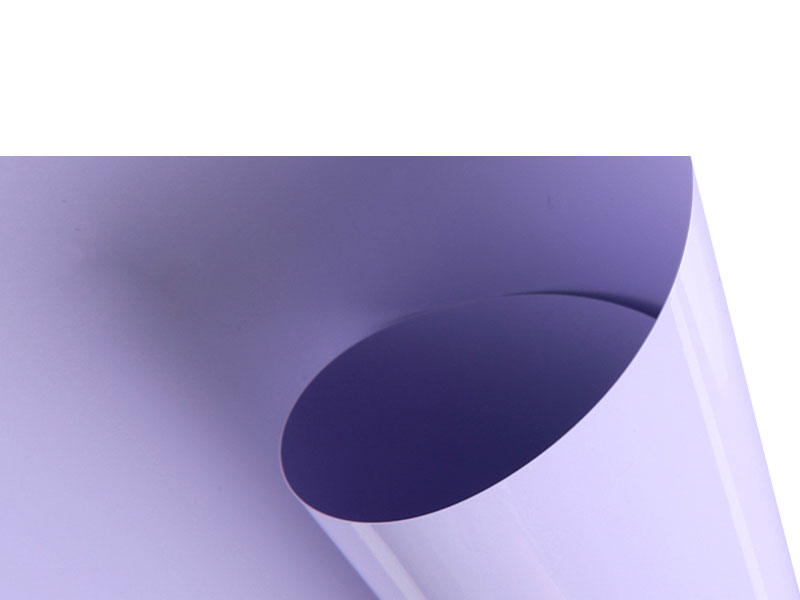


Interior PVC Film Materials
Interior PVC Film Materials is a category of polyvinyl chloride film products supplied for surface finishing, lamination, and decorative applications inside buildings. The range covers printed decorative films, transparent overlay films, embossed tactile films, and opaque color films, supplied in thicknesses from 0.05 mm to 0.60 mm and roll widths up to 2.0 m. Each grade is formulated for a specific bonding route, such as heat lamination, membrane pressing, profile wrapping, or pressure-sensitive adhesive, and is documented with fire classification and emission data for interior specification. The materials are used on walls, doors, panels, furniture, and trim, and are selected against the substrate, the forming process, and the maintenance regime of the finished surface.
Range Structure
Decorative Printed Film
Wood grain, stone, fabric, and abstract prints with registered or unregistered emboss. Used for furniture panels, doors, and wall surfaces where a defined visual pattern is required.
Transparent Overlay Film
Clear and tinted films used as protective top layers over printed substrates. Gloss, satin, and matte grades are supplied with or without a hard coat for scratch resistance.
Embossed Tactile Film
Texture-led films with pore, fabric, and geometric relief applied for hand feel and light diffusion. Supplied as solid color or printed film depending on the pattern.
Color and Solid Film
Opaque, pigmented film for edge banding, trim, and flat surfaces. Colors are matched to a physical reference, and the grade is selected against the bonding route.
Selecting the Right Grade
| Substrate | MDF, particleboard, PVC foam board, aluminum, steel, gypsum board |
| Bonding Route | Heat lamination, membrane pressing, profile wrapping, PU adhesive, pressure-sensitive |
| Forming Requirement | Flat, radius wrap, vacuum formed, membrane pressed |
| Surface Requirement | Printed pattern, solid color, transparent overlay, tactile texture |
| Cleaning Regime | Dry dusting, damp wipe, scrubbable, chemical disinfection |
| Fire Requirement | EN 13501-1 B-s1, d0 or project-specific classification |
| Emissions Requirement | CDPH v1.2, GREENGUARD Gold, project-specific limits |
| Light Exposure | Interior indirect, interior direct sunlight, glazed facade |
Common Properties Across the Range
Where the Materials Are Used
Wall and Ceiling Surfaces
Printed and embossed Interior PVC Film Materials are laminated to wall panels and ceiling tiles in offices, hotels, and retail interiors. The film provides a cleanable, low-glare surface that can be replaced without replacing the substrate.
Doors and Furniture Panels
Decorative and color films are applied to door skins and furniture panels by membrane pressing or flat lamination. Registered emboss follows the printed wood grain, and the film holds its texture through the pressing cycle.
Profiles and Trim
Thinner grades are wrapped around aluminum and PVC profiles used in window frames, door frames, and skirting. The film's elongation and emboss stability support wrapping of radiused corners and complex shapes.
Protective Top Layers
Transparent overlay films are bonded over printed substrates where the print layer requires protection from abrasion, cleaning agents, and light. Hard-coated grades are used where the surface is subject to frequent contact.
Buyer Questions
How do I choose between a printed film and a transparent overlay?
Printed film carries the visual pattern and is bonded directly to the substrate. Transparent overlay film is bonded over a printed substrate to protect the print layer. If the substrate is already printed or the pattern is produced by another process, an overlay film is specified. If the pattern is to be applied by the film itself, a printed film is specified.
Which grades are suitable for vacuum forming?
Forming grades within the Interior PVC Film Materials range are supplied at 0.20 mm and above with elongation of 80% to 150% at forming temperature. Thinner overlay grades are not intended for deep forming. Buyers should provide the draw depth and draw geometry so the grade and thickness can be confirmed against a formed sample.
What documentation is supplied with each lot?
Each lot is issued with a material certificate stating grade, thickness, width, and color reference, plus fire classification and emissions data where the grade carries those approvals. Batch codes on the roll label allow the certificate to be traced to the shipped roll. Buyers requiring project submittals can request the full documentation package at the quotation stage.
Can different grades be combined in one order?
Yes. The range is produced to allow mixed orders of printed film, overlay film, embossed film, and color film in one shipment. Each grade carries its own minimum order quantity, and the roll format for each grade is confirmed on the order sheet. Mixed orders are packed with grade and batch labels on each roll.
How should the film be stored before lamination?
Store rolls upright in a dry room at 15°C to 25°C and 40% to 60% relative humidity. Allow rolls to reach line temperature for 24 hours before lamination, and keep the original wrap in place until the roll is mounted. Do not stack rolls on their side, as edge compression can flatten the emboss and leave marks on the surface.
Handling Notes
Interior PVC Film Materials require the same handling discipline across grades, with adjustments for thickness and surface finish:
- Handle rolls with core supports and avoid dragging the film surface across pallet edges or rack frames. Surface damage cannot be repaired and shows through the finished assembly.
- Keep film away from heat sources above 50°C during storage. Prolonged heat exposure softens the film and causes blocking between layers on the roll.
- Clean finished surfaces with a neutral detergent solution and a soft cloth. Solvent-based products, abrasive pads, and high-alkaline cleaners attack the topcoat or the printed layer and are excluded unless the grade is specified for those agents.
- Confirm adhesive compatibility with the film plasticizer system before lamination. Incompatible adhesives can cause plasticizer migration and bond failure in the finished assembly.
- Record and retain the lot number of every roll used on a continuous run. Traceability to the material certificate is required for project handover on fire-rated and emissions-rated assemblies.