

 English
 中文简体
 русский
 Español
 Français
 عربى
 Português
 हिंदी
 Indonesia
 فارسی
 Tiếng Việt
 Türk






Lightweight Architectural PVC Decorative Films
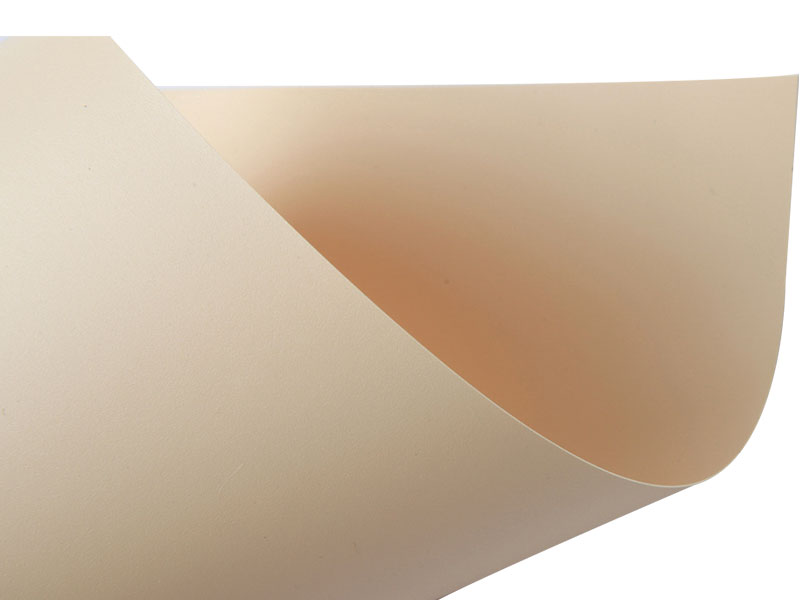
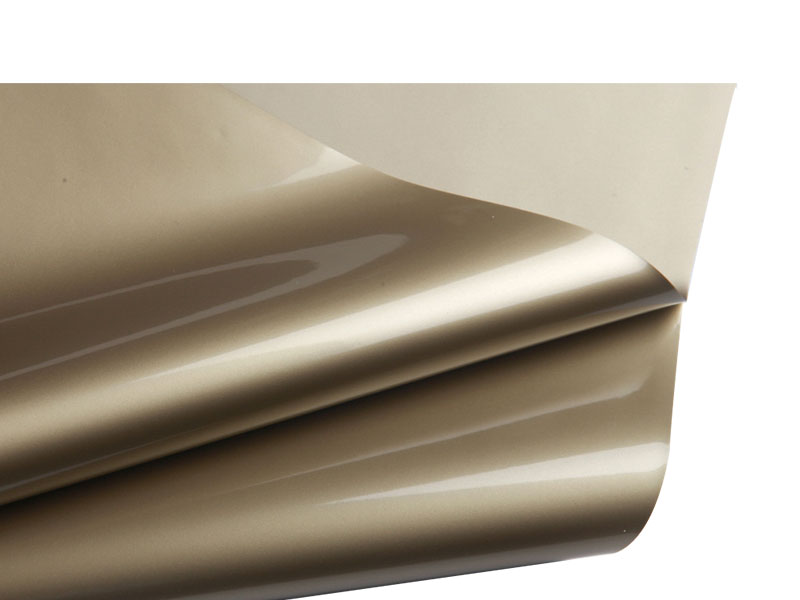
Lightweight Architectural PVC Decorative Films are thin-gauge polyvinyl chloride surface films developed for interior architectural finishes where weight, installation speed, and surface continuity are priorities. The range covers printed wood and stone visuals, solid color films, and textured overlay films at thicknesses from 0.06 mm to 0.25 mm, with roll widths up to 1.5 m. Low film weight allows direct application to gypsum board, MDF, aluminum composite panels, and prefinished wall systems without the structural load of rigid decorative panels. The films are supplied with pressure-sensitive adhesive or as heat-activated grades, and are documented with fire classification and emission data for specification in commercial interiors.
Lightweight Architectural PVC Decorative Films are supplied under an ODM/OEM model. Visual, film gauge, adhesive system, roll width, and packaging are configured to the buyer's architectural finish program, and the approved physical sample is retained as the production standard.
Why Film Weight Changes Specification
- Applied directly to existing substrates
- No additional structural load on walls or ceilings
- Rapid installation without panel joints
- Suitable for retrofit and occupied buildings
- Requires substrate fixing and edge detailing
- Adds load to the supporting structure
- Panel joints and trims visible on the finished face
- Longer installation and removal time
The comparison defines the design condition for lightweight architectural films: they are specified where a decorative surface must be added without changing the wall build-up, and where continuity across large areas is valued more than the depth of a rigid panel. The films are not a substitute for impact-resistant panels in areas subject to mechanical damage, and specification should separate the two conditions.
Film Properties
Thin gauges are selected for wrapping and flat application, while the upper end of the range is used where the film must bridge minor substrate texture and hold an embossed surface.
Gloss level is controlled at the film surface rather than by a post-applied coating, and embossed grades add tactile depth to wood and stone visuals.
Interior grades hold color under indirect and direct daylight exposure typical of atria and glazed facades, with UV-stabilized grades available for higher exposure conditions.
Classification is confirmed on the full wall build-up, including the substrate and adhesive, not on the film alone. Project submittals should reference the tested assembly.
Emissions data supports specification in schools, healthcare facilities, and offices where indoor air quality credits are pursued.
Adhesive selection is tied to the substrate and the installation environment; removable grades are available for temporary fit-outs and exhibition use.
Specification Data
Application Contexts
Office and Commercial Interiors
Lightweight Architectural PVC Decorative Films are applied to plasterboard partitions and lift lobby walls where the decorative finish must be installed quickly without changing the wall build-up. Removable grades are used in leased spaces where the surface will be reinstated at the end of the tenancy.
Retail and Hospitality
Shopfits and hotel refurbishments use the films for feature walls and column cladding. The low film weight allows application to existing surfaces without demolition, and the visual can be matched across sites in different regions from the same approved sample.
Healthcare and Education
Ward corridors and classroom walls use the films where cleanable, low-emission surfaces are required. The film is applied over sealed plasterboard or MDF, and the specification references the tested fire assembly and the emissions certificate.
Exhibition and Event Structures
Temporary walls and display structures use removable pressure-sensitive grades. The film is applied to MDF or painted board and removed without damaging the substrate, supporting reuse of the structure across multiple events.
Buyer Questions
Can the film be applied over existing paint or wallpaper?
Application over existing paint is possible when the paint is fully cured, sound, and free of dust or flaking. Application over wallpaper is not recommended, because the adhesive bond is limited by the wallpaper's bond to the wall. For a durable finish, strip the existing covering, prime the substrate, and apply the film to a stable surface.
How are seams between rolls handled?
Rolls are ordered to cover the wall height in a single drop wherever possible, eliminating horizontal seams. Where vertical seams are unavoidable, overlaps are butt-joined and the seam is positioned away from direct light and primary sight lines. Patterned grades require the repeat to be aligned across the seam, so the layout is planned before installation starts.
Is the film suitable for ceilings?
Lightweight Architectural PVC Decorative Films can be applied to ceilings when the adhesive grade and application method are specified for overhead work. The film weight is low, but the installer must use an adhesive with sufficient initial tack to hold the film before final cure. Project-specific approval should confirm the ceiling substrate and the fire classification of the full assembly.
How should the film be cleaned in service?
Clean with a damp cloth and a neutral detergent solution, wiping gently along the surface. Do not use abrasive pads, solvent cleaners, or high-alkaline products, which attack the surface finish and may lift the film edge. For hard-coated grades, follow the coating supplier's cleaning instructions.
What documentation is issued for a project submittal?
Each order is issued with a material certificate stating visual reference, gauge, adhesive type, and roll dimensions, plus the fire classification report for the tested assembly and the emissions certificate for the grade supplied. Batch codes on the roll label link the delivered material to the documentation, supporting handover files for the project.
Installation and Handling Notes
Store Lightweight Architectural PVC Decorative Films rolls upright in a dry room at 15°C to 25°C. Do not lay rolls on their side, as edge compression can mark the film surface and distort the adhesive layer.
Allow rolls to reach room temperature for 24 hours before application. Cold film is less compliant on corners and may lift at the edges as the adhesive warms.
Prepare the substrate by removing dust, oil, and loose material, then prime where the substrate is porous. A smooth, sealed surface is required for the film to achieve full contact and a uniform appearance.
Apply the film with a felt-edged squeegee and work from the center outward to exclude air. Do not stretch the film during application; stretching causes edge lift and pattern distortion after the adhesive cures.
Keep unused rolls in the original wrap and record the batch code. Film from different batches should not be used on a continuous wall, because color variation between batches can be visible under daylight.