

 English
 中文简体
 русский
 Español
 Français
 عربى
 Português
 हिंदी
 Indonesia
 فارسی
 Tiếng Việt
 Türk





Architectural Decorative PVC Film
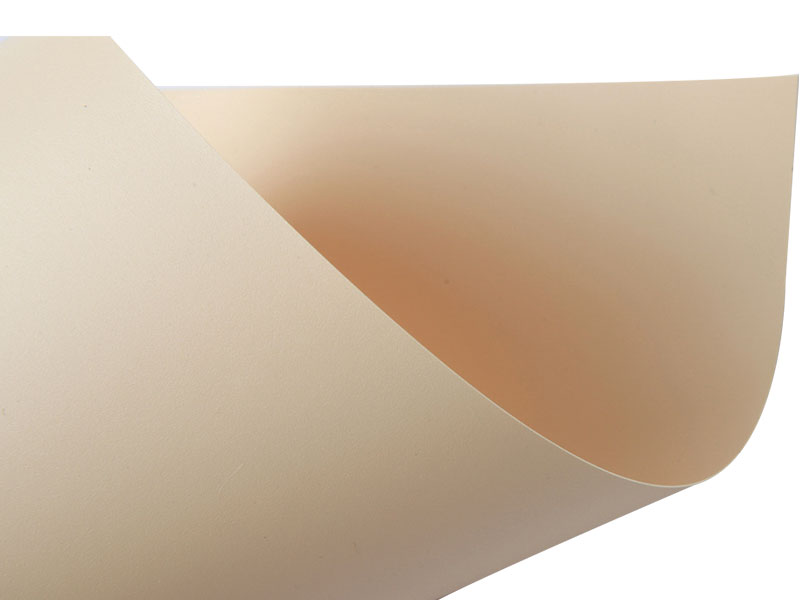
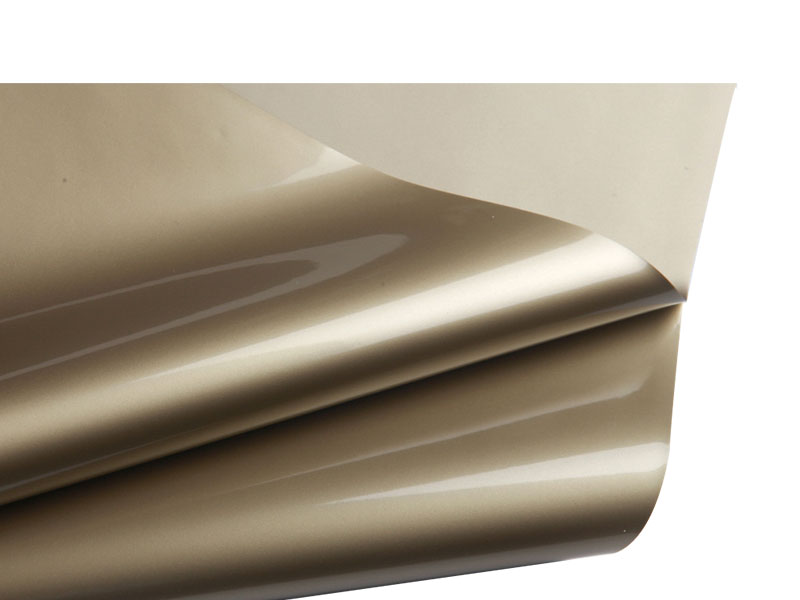
Architectural Decorative PVC Film is a specification-grade polyvinyl chloride surface film used to finish interior walls, ceilings, doors, and joinery where a continuous decorative surface is required. The film is produced in gauges from 0.08 mm to 0.50 mm, in roll widths up to 1.5 m, and is bonded to MDF, gypsum board, aluminum composite panel, and steel substrates through flat lamination, membrane pressing, profile wrapping, or pressure-sensitive application. Visuals cover wood species, stone, metal, textile, and solid colour references, with emboss depth matched to the printed image where a registered texture is specified. The product is used in commercial office fit-out, hotel public areas, healthcare circulation space, and retail interiors, and is documented for fire classification and indoor air quality compliance as part of the tested assembly.
Specification-Led Custom Supply
Architectural Decorative PVC Film is produced under an ODM/OEM arrangement. The visual, gauge, surface finish, adhesive system, and roll format are set against the architectural finish schedule rather than against a single sample. Each custom configuration is issued with a specification sheet that records the visual reference, emboss depth, gloss value, fire classification, and emissions data, and that sheet is the acceptance standard for every production lot. Where a project is rolled out across multiple buildings or phases, the approved specification sheet allows later production runs to be supplied to the same standard.
The Specification Conversation
Substrate and Assembly
The specification starts from the wall build-up or panel assembly, not from the film. Fire classification and emissions data are issued for the tested assembly, and the film is selected against the substrate, the bonding method, and the required classification.
Visual and Surface
The visual reference and surface finish are approved on a production sample under the lighting conditions of the project. Gloss value, emboss depth, and print registration are recorded on the sample approval sheet, because these three properties determine how the finished surface reads in place.
Maintenance Regime
The cleaning regime of the space determines the surface coating. Areas cleaned with neutral detergent accept a standard topcoat, while areas cleaned with disinfectants require a chemical-resistant topcoat. The maintenance regime is agreed before the film is specified, not after installation.
Roll-Out Continuity
Projects delivered in phases require the same visual and surface across later production runs. The approved specification sheet and the retained control sample allow the film to be reproduced to the same standard when the later phases are ordered.
Property Record
Project Contexts
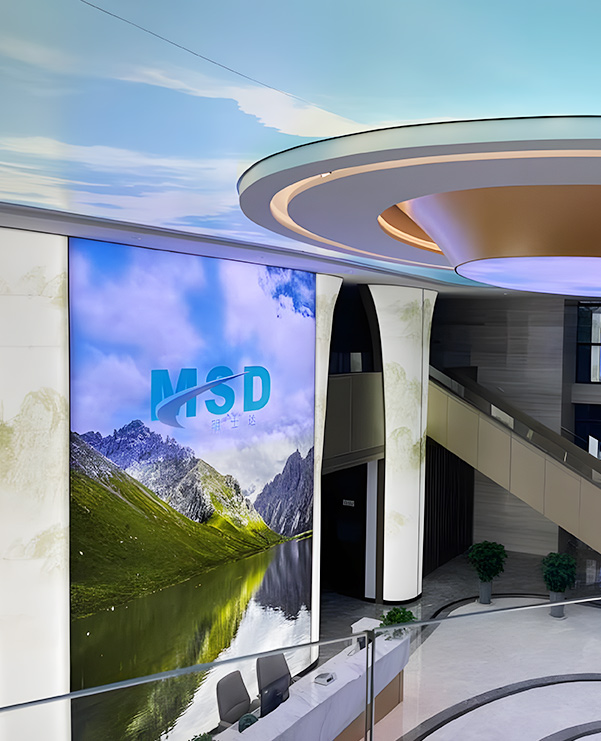
Architectural Decorative PVC Film is applied to reception walls, lift lobby panels, and meeting room feature walls where the finish must run continuously across large areas without visible joints. The matte and wood-grain references are the most common specification, and the fire classification is confirmed against the plasterboard or composite panel build-up.
Hotel public areas, corridor walls, and guest room joinery use the film where the visual must be repeated across floors and across buildings. Roll-out continuity is the deciding factor, and the approved specification sheet allows the later phases to be produced to the same visual and surface standard.
Circulation areas and reception walls use disinfectant-compatible grades where routine cleaning with quaternary ammonium and alcohol products takes place. Emissions data supports specification in clinical spaces, and the film is applied to sealed substrates that meet the tested assembly requirements.
Store interiors and brand corners use the film for wall panels and display surfaces where the visual is aligned to the brand system. Gloss value and surface texture are approved against the store lighting, and the film is supplied as pre-cut panels matched to the display modules.
Specification and Procurement Questions
What is supplied for a project submittal?
A specification sheet recording the visual reference, gauge, surface finish, and roll format is issued with the quotation, together with the fire classification report for the tested assembly and the emissions certificate for the grade supplied. A physical sample of the approved visual and finish is supplied for architect review, and the approved sample is retained as the production control sample.
How is the fire classification established for a specific wall build-up?
Fire classification is established on the full assembly, including the substrate, adhesive, and film. Where the project build-up matches an existing tested assembly, the report for that assembly is referenced. Where the build-up differs, the project team should confirm whether the classification can be extended or whether a new test is required, and this is agreed before the specification is finalised.
How is the visual approved when the project is lit by daylight and artificial light?
The visual and finish are approved on a production sample under D65 lighting and, where possible, under the actual project lighting. Metallic and high-gloss visuals shift under different light sources, and the approval should record the lighting conditions used. The approved sample is retained, and the production run is compared against it under the same conditions.
Can later phases of a project be matched to the first delivery?
Yes. The specification sheet and the control sample are retained after the first delivery, and later production runs are produced against them. Colour variation between runs is held within the tolerance recorded on the specification sheet. The project team should order later phases against the same specification sheet reference so that the match can be verified.
What is required for installation on a plasterboard wall?
The plasterboard must be sealed and smooth before the film is applied, and the adhesive system must be specified for the porous substrate. Where the film is laminated to a panel off-site, the panel build-up is defined in the specification sheet. On-site application requires a primed substrate and the approved adhesive, and the application temperature should be within the range stated on the film data sheet.
Handling and Storage
Architectural Decorative PVC Film is handled according to the same discipline as other specification-grade interior films, with attention to the approved visual and the recorded surface finish:
- Store rolls upright on a core-supported rack at 15°C to 25°C and 40% to 60% relative humidity. Do not lay rolls on their side, as edge compression flattens the emboss and marks the surface.
- Allow rolls to reach room temperature for 24 hours before lamination or application. Cold film is stiffer and produces different tension behaviour on the line.
- Keep the original wrap in place until the roll is mounted. Dust on the film surface is pressed into the finish at the first nip and is difficult to remove without damaging the surface.
- Clean installed surfaces with a neutral detergent solution and a soft cloth. Solvent cleaners and abrasive pads attack the topcoat and are excluded from the maintenance protocol.
- Record the lot number of every roll used on a project, so that the delivered material can be traced to the specification sheet and the batch record for project handover.