

 English
 中文简体
 русский
 Español
 Français
 عربى
 Português
 हिंदी
 Indonesia
 فارسی
 Tiếng Việt
 Türk





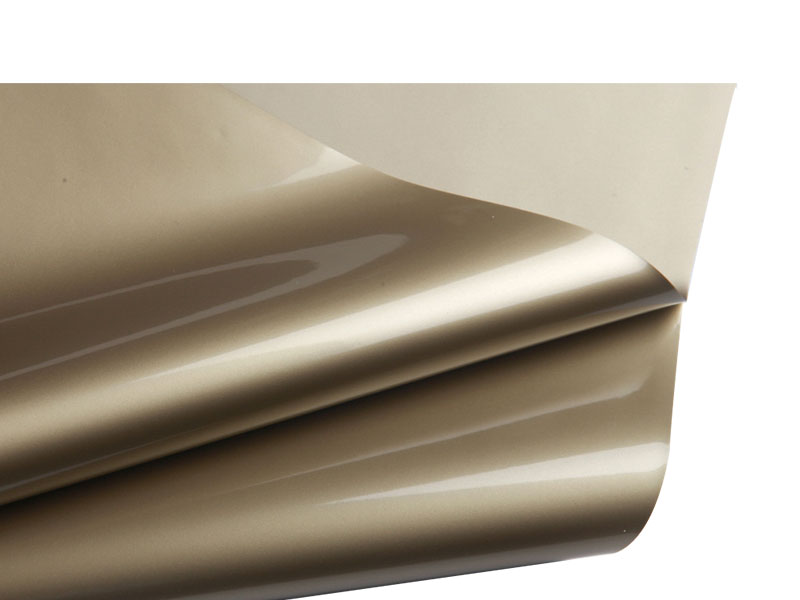
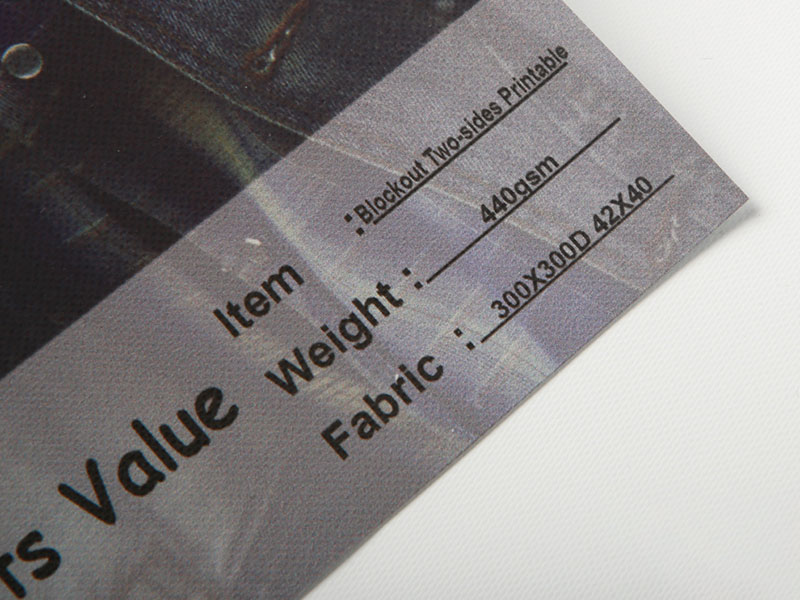
Furniture Surface PVC Protection Films
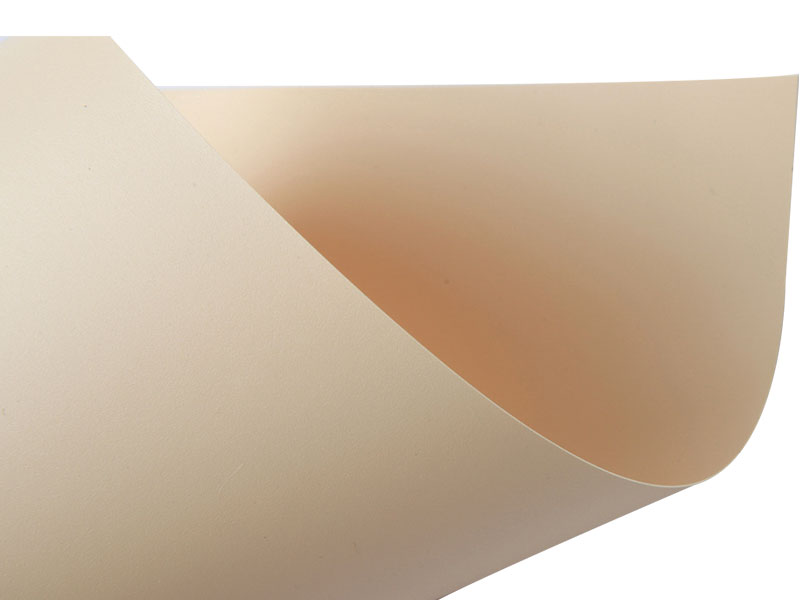
Furniture Surface PVC Protection Films are transparent or tinted polyvinyl chloride films applied to furniture faces, edges, and panels to protect the finish during manufacture, transport, installation, and use. The films are supplied with a pressure-sensitive or heat-activated adhesive in thicknesses from 0.04 mm to 0.15 mm, and in roll widths up to 1.5 m. Protection performance is defined by the film's ability to resist abrasion, moisture, and chemical contact while releasing cleanly from the furniture surface without leaving adhesive residue. The films are used on lacquered, melamine, veneer, and laminate surfaces, and are specified either as temporary transit protection or as a permanent protective layer on high-contact furniture.
Custom Protection Film Supply
Furniture Surface PVC Protection Films are supplied under an ODM/OEM arrangement. Film gauge, adhesive type, adhesion level, surface finish, roll width, and packaging are configured to the furniture producer's process. The adhesive system is matched to the furniture finish and to the duration of protection required, and the approved trial roll becomes the acceptance reference for every production lot.
The Protection Problem in Furniture Production
Furniture passes through sanding, assembly, packing, and transport. The protection film prevents scuffs and dust bonding at each stage, and is removed after installation when the surface is first cleaned.
Permanent protection films remain on high-contact furniture faces such as table tops, reception desks, and cabinet fronts, where the film takes the wear that would otherwise reach the decorative finish.
The same film applied with the wrong adhesive either fails to hold during transport or leaves residue on the furniture finish at removal. Adhesion level is set against the surface energy of the furniture finish, the surface roughness, and the time the film will remain in place. A low-tack adhesive on a smooth lacquer releases cleanly after 90 days; the same adhesive on a textured laminate may lift during transport. The adhesive is therefore specified per finish, not per film.
Film Properties
Where the Film Is Used
Furniture in Transit and Storage
Flat panels, cabinet doors, and table tops are covered with transit-grade film before packing. The film protects against scuffs, dust, and moisture during shipping and warehouse storage, and is removed after installation when the furniture is cleaned for handover.
On-Site Protection During Fit-Out
Fitted furniture and joinery are covered with protection film during construction and fit-out work. The film protects the finish from dust, paint splatter, and tool contact, and is removed at practical completion.
High-Contact Furniture Surfaces
Reception desks, table tops, and counter fronts use permanent protection film as a replaceable wear layer. When the film is worn, it is removed and replaced without refinishing the furniture surface beneath.
Protection During Processing
Furniture parts are covered with film during drilling, edge banding, and assembly. The film prevents handling marks and edge damage before the part reaches the finishing line, and is removed before or after finishing as the process requires.
Buyer Questions
How is the adhesive matched to a specific furniture finish?
The furniture producer supplies a finished sample panel and states the protection period and storage conditions. The supplier selects an adhesive level against the surface energy and roughness of that finish, and supplies a trial roll for application and removal testing. The trial panel is evaluated for adhesion during the protection period and for residue after removal, and the approved adhesive becomes the reference for the production order.
What causes adhesive residue on removal?
Residue on removal results from three conditions: the film remained on the surface beyond its rated protection window, the furniture was exposed to heat above the adhesive's service temperature, or the adhesive was specified above the level the finish can accept. Residue is removed with a compatible solvent cleaner, but the correct remedy is to match the adhesive to the finish and to observe the removal date printed on the roll label.
Can the film be applied to powder-coated metal furniture?
Yes. Powder-coated surfaces are compatible with pressure-sensitive protection films when the coating is fully cured and clean. The surface energy of powder coat is lower than lacquer, and a low-tack or medium-tack adhesive is normally specified. Trial application is recommended because powder coat formulations vary between suppliers, and adhesion that suits one coating may be too aggressive for another.
Is the film safe for veneer and solid wood surfaces?
Protection film can be applied to sealed veneer and solid wood surfaces, but not to unfinished or open-pore surfaces where the adhesive can penetrate the grain. For veneered furniture, the adhesive is selected at the lower end of the range, and the film should be removed within the rated protection window. Unsealed wood should be protected with a different material.
What documentation is supplied for a furniture production order?
Each order is supplied with a film data sheet stating base film, adhesive type, adhesion level, thickness, and rated protection window, together with the approved trial panel reference. Rolls are labelled with the production date, the recommended removal date, and the lot number, so the furniture producer can track which film batch was applied to which furniture batch.
Application and Storage Notes
Apply the film only to clean, dry, fully cured furniture surfaces. Dust, oil, or release agent on the surface reduces adhesion and causes the film to lift at the edges during transport.
Apply at 15°C to 30°C. Low-temperature application reduces initial adhesion and the film may lift before the adhesive reaches full bond strength.
Apply with a felt-edged squeegee from the center outward, working out air pockets as you go. Trapped air under the film expands in a hot warehouse and can lift the film edge.
Remove the film within the rated protection window printed on the roll label. Film left in place beyond the rated window may transfer adhesive to the furniture surface, and removal becomes more difficult.
Store rolls upright on a core-supported rack at 15°C to 25°C, away from direct sunlight. Do not lay rolls on their side, as edge compression damages the adhesive layer and leaves marks on the film.