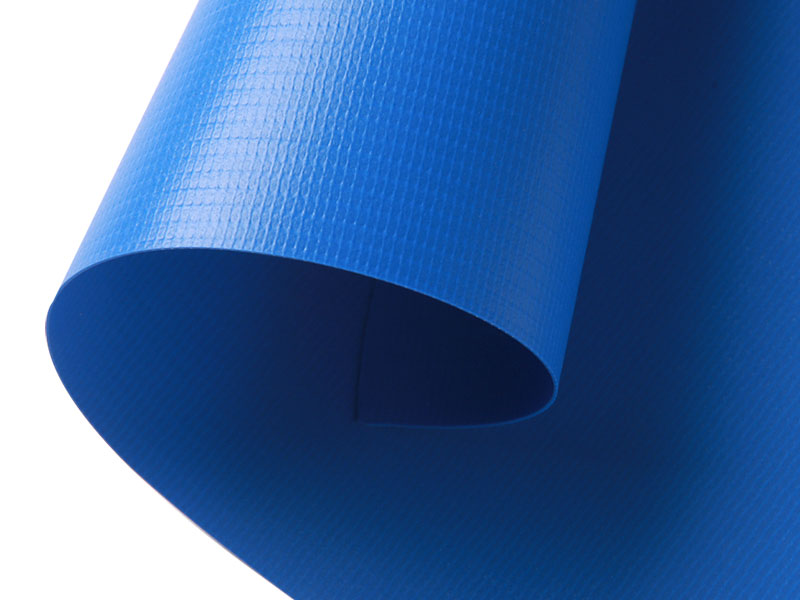
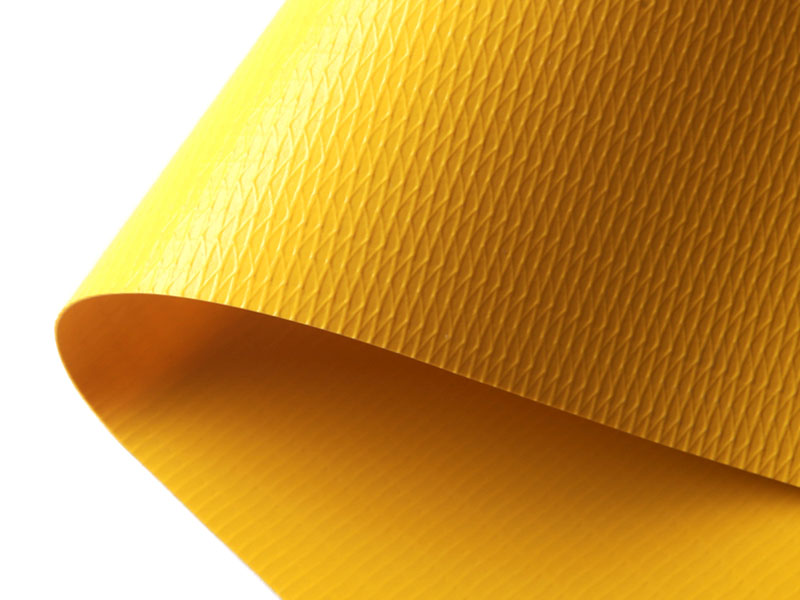
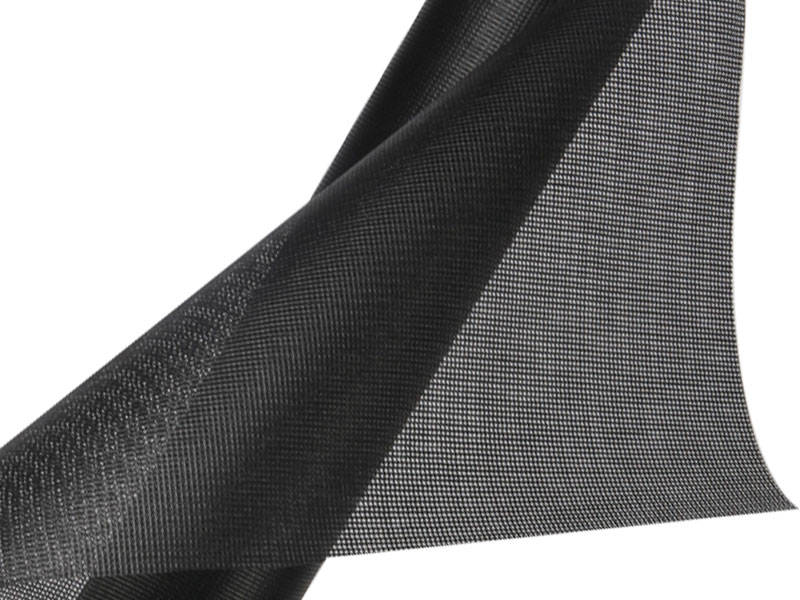
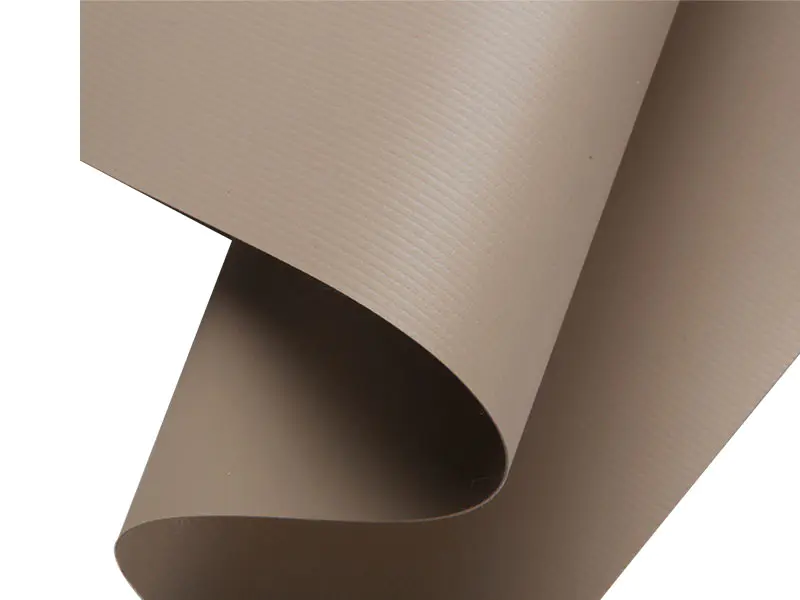
In-depth Analysis of PVC Tent Fabric Characteristics: Balancing Waterproofness, Wear Resistance, and UV Stability
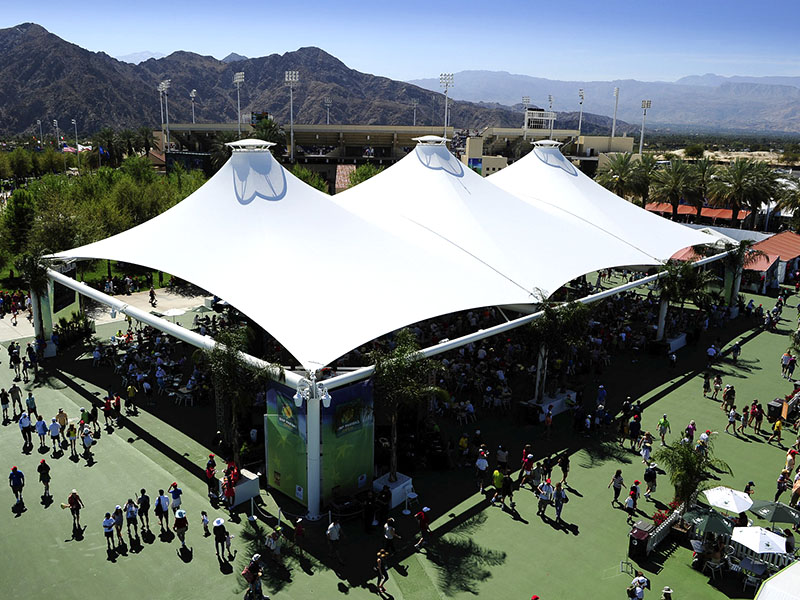
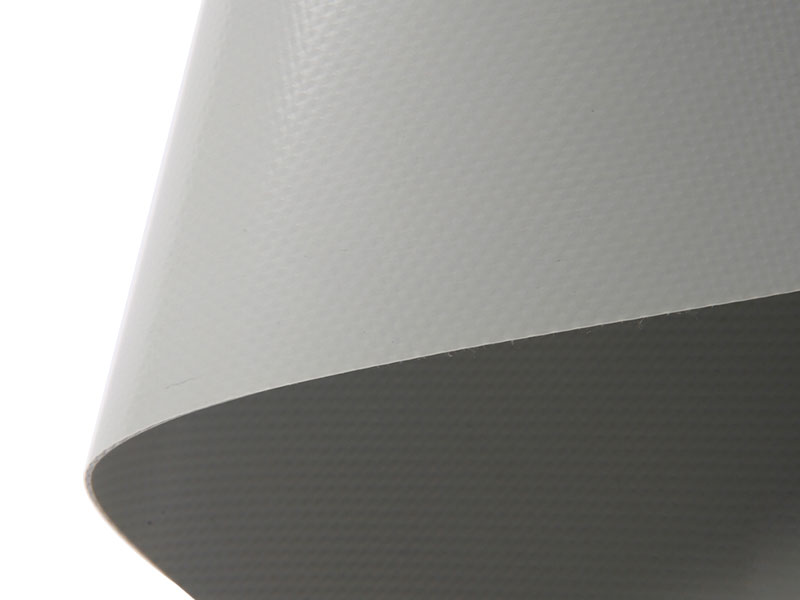
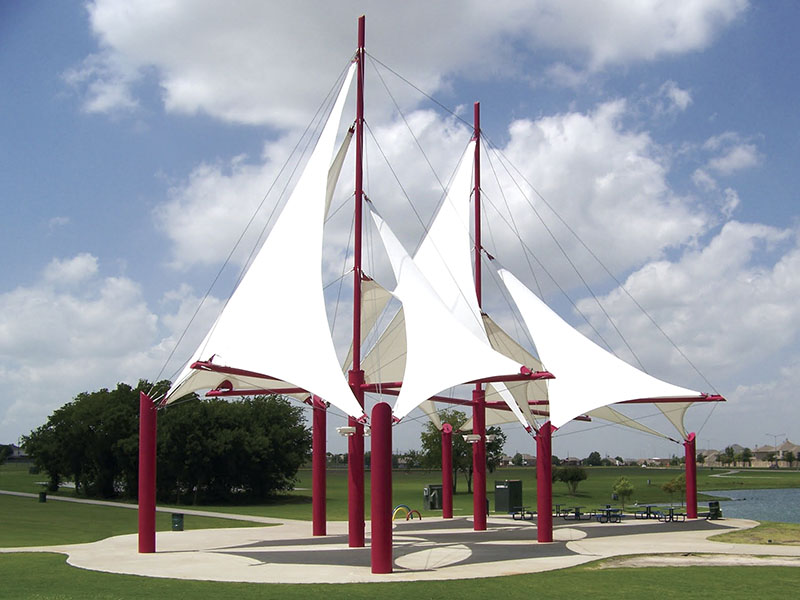
PVC (polyvinyl chloride) tent fabric is widely used in outdoor camping, disaster relief tents, military tents, and other fields due to its excellent waterproofness, wear resistance, and UV resistance. However, these three properties often affect each other, and how to achieve the best balance is the core challenge for material engineers and manufacturers.
1. Waterproofness: How to Ensure There is No Leakage?
Waterproof Mechanism
PVC itself is a hydrophobic polymer material, but pure PVC is relatively hard and needs to be made more flexible by plasticizers (such as DOP and DINP). Waterproof performance mainly depends on:
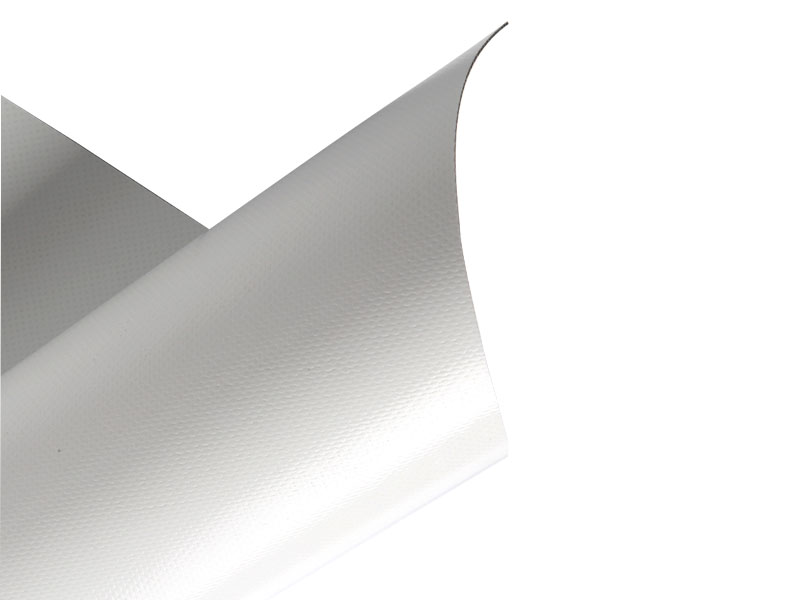
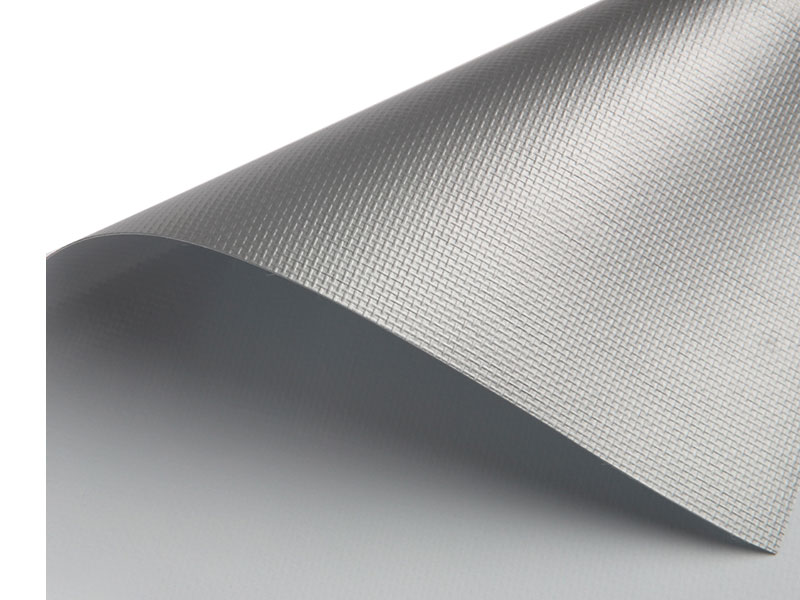
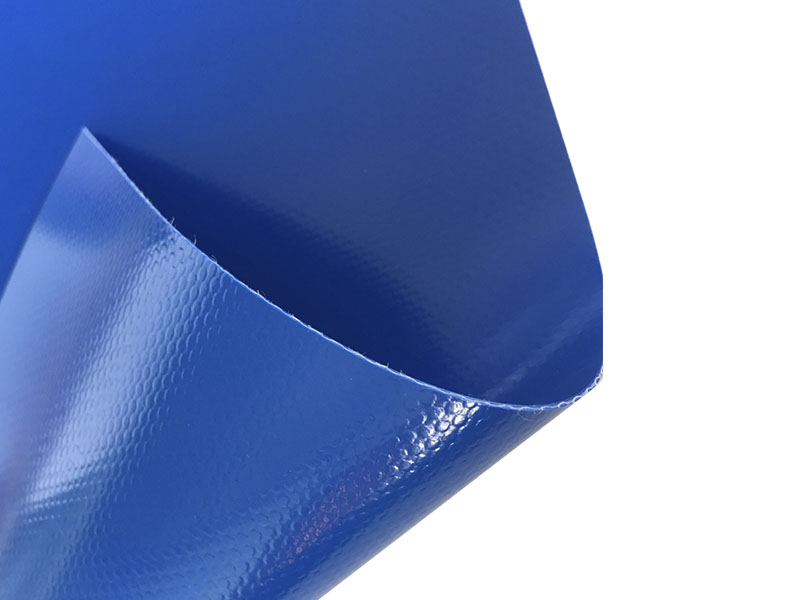
- Dense Coating: PVC forms a continuous non-porous film on the surface of the base fabric (such as polyester or glass fiber) through calendering or scraping processes to prevent water penetration.
- Seam Treatment: Use high-frequency heat sealing or tape sealing to avoid pinhole leakage.
Key Performance Indicators
- Hydrostatic Head: ≥3000mm (military standard)
- Water Vapor Transmission Rate (MVTR): usually low (<500g/m²/24h), suitable for scenarios requiring complete waterproofing.
Waterproofing Enhancement Technology
- Multi-layer Composite: such as PVC+TPU (thermoplastic polyurethane) to improve water pressure resistance.
- Microporous Foaming Technology: (controllable pores <0.1μm) to improve breathability while ensuring waterproofness.
2. Abrasion Resistance: How to Extend Service Life?
Key Factors Affecting Abrasion Resistance
- Base Fabric Strength: high-density polyester (500D~1000D) or nylon, tear strength >50N (ASTM D751).
- PVC Coating Hardness: Add quartz sand, ceramic particles, or polyurethane (PU) to improve surface scratch resistance.
Wear Test Standards
- Taber Wear Test: ≥5000 times (ASTM D3884) without obvious wear.
- Martindale Friction Test: ≥20,000 times (EN ISO 12947) without damage.
Wear Optimization Solution
- Nano Modification: such as adding nano silicon dioxide (SiO₂) to improve the hardness of the coating.
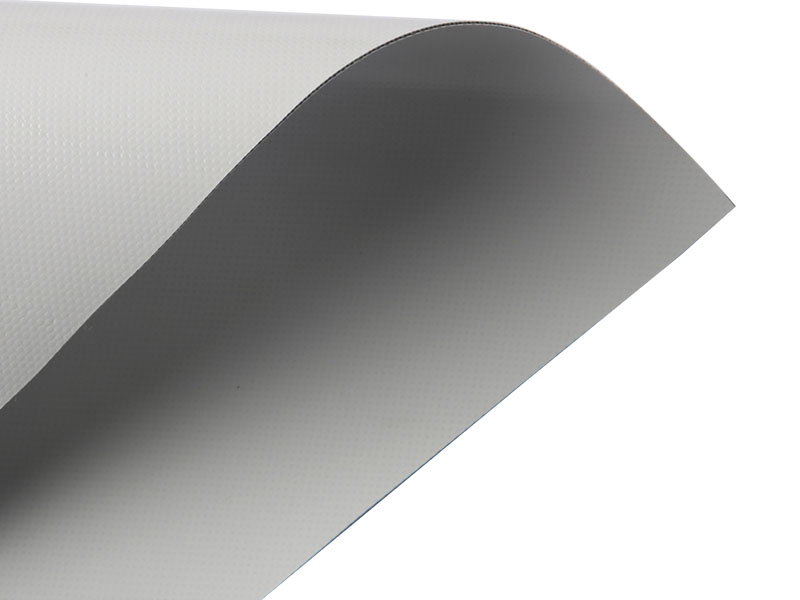
- Double-layer Structure: high wear-resistant PVC on the outer layer and soft PVC on the inner layer, balancing wear resistance and flexibility.
3. UV Stability: How to Resist Sunlight Aging?
UV Degradation Mechanism
UV radiation can cause:
- PVC molecular chain breakage → coating becomes brittle and powdery.
- Plasticizer migration → material hardening and cracking.
Anti-UV Technology
- UV Absorbers: such as benzotriazole (Tinuvin 328), hindered amines (HALS).
- Reflective Fillers: titanium dioxide (TiO₂) reflects ultraviolet rays and improves weather resistance.
- Double-layer Structure: high UV stability coating on the outer layer and ordinary PVC on the inner layer to reduce costs.
Weather Resistance Test Standards
- QUV Accelerated Aging Test (ASTM G154): after ≥2000 hours, the tensile strength retention rate is >80%.
- Xenon Lamp Aging Test (ISO 4892-2): simulates long-term outdoor exposure.
4. How to Balance the Three? — Key Balancing Strategy
| Performance Goal |
Material/Process Strategy |
Potential Trade-offs |
Optimization Direction |
| High Waterproofness + High Wear Resistance |
High-density base fabric (1000D polyester) + thick PVC coating (0.5mm) |
Increased weight, reduced flexibility |
Use lightweight high-strength fibers (e.g., aramid blend) |
| High UV Resistance + High Waterproofness |
TiO₂/PU composite coating + UV absorber |
Increased cost, possible yellowing |
Layered additive technology (outer layer HALS, inner layer plasticizer) |
| Comprehensive Balance |
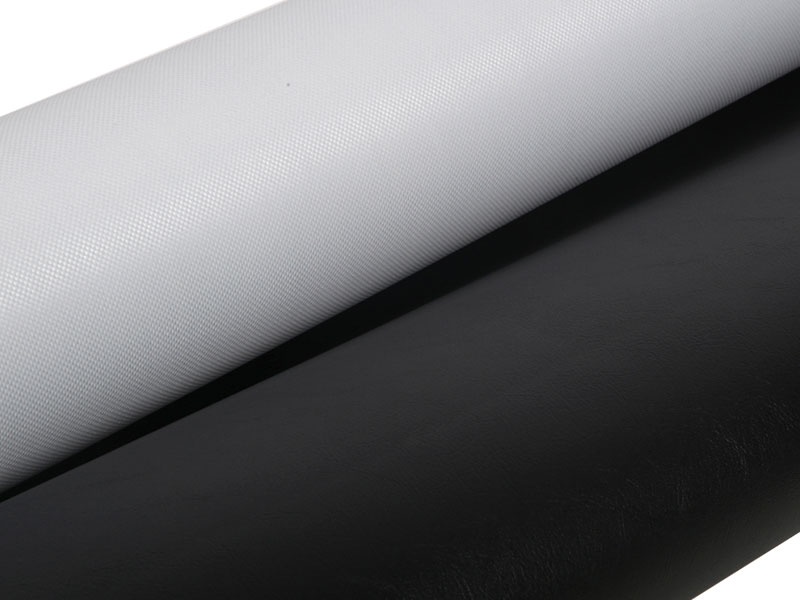
Three-layer structure: Outer layer (UV/Wear-resistant modified PVC) + Middle layer (high-strength mesh) + Inner layer (soft waterproof PVC) |
Complex process, high cost |
Optimize coating formula (e.g., nano-SiO₂ hybrid system improves multiple properties simultaneously) |
Core Balancing Principles:
- Layered Design: Assign different functions to different layers of the fabric to avoid performance conflicts within a single layer.
- Synergistic Additives: Use composite additives (e.g., HALS + nano-silica) to simultaneously enhance UV resistance and wear resistance.
- Process Precision Control: Precisely control coating thickness and micropores through automated scraping to ensure waterproofness without excessively increasing weight.




 English
 中文简体
中文简体 русский
 Español
 Français
 عربى
عربى Português
 हिंदी
हिंदी Indonesia
 فارسی
فارسی Tiếng Việt
 Türk
Türk