

 English
 中文简体
 русский
 Español
 Français
 عربى
 Português
 हिंदी
 Indonesia
 فارسی
 Tiếng Việt
 Türk






Premium Decorative PVC Wallpaper for Interiors
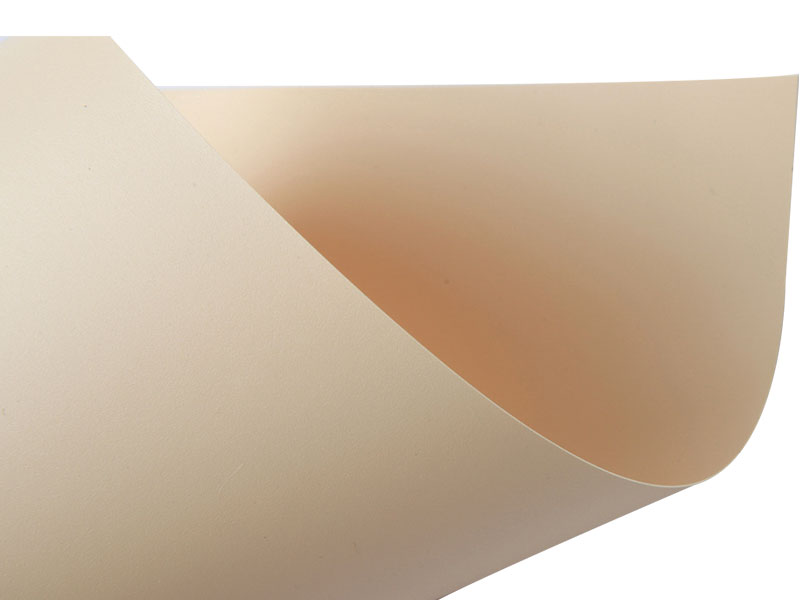
Premium Decorative PVC Wallpaper for Interiors is a heavy-weight wall covering built on a polyvinyl chloride base with a printed and embossed decorative surface. The material is supplied in rolls of 0.53 m or 1.06 m width, with a fabric-backed or paper-backed construction depending on the installation method. Surface weight ranges from 350 g/m² to 600 g/m², and the emboss depth produces tactile relief that reads as textile, plaster, or natural stone depending on the pattern. The wallpaper is specified for hotel guest rooms, restaurant interiors, office reception areas, and residential feature walls where the surface must carry a defined visual character and still withstand routine cleaning.
Your Pattern, Your Colorway, Your Brand
Premium Decorative PVC Wallpaper for Interiors is produced under an ODM/OEM arrangement. Pattern, colorway, emboss structure, roll width, backing type, and packaging are set against the buyer's brand specification. A physical proof on production stock is supplied for approval, and the signed proof is held as the reference for every subsequent production run.
Surface Construction and Why Weight Matters
Premium Decorative PVC Wallpaper for Interiors is built in layers: a backing that carries the adhesive bond, a PVC base layer that provides dimensional stability, a printed decorative layer, and an embossed or lacquered top surface. The total weight of 350 g/m² to 600 g/m² is the single most useful indicator of how the wallpaper will behave on the wall. Lighter coverings below 300 g/m² conform to minor substrate variation but show seams and substrate defects more readily. Coverings at the upper end of the range bridge small cracks and surface irregularities, hold the emboss relief more crisply, and remain dimensionally stable across wide walls without visible pattern drift.
Technical Parameters
Interior Settings
Hotel Guest Rooms
Guest room feature walls and corridors use Premium Decorative PVC Wallpaper for Interiors where a repeat pattern must align across multiple rooms and floors. Batch coding allows the same production lot to be allocated to a single property, and the heavier weights resist the abrasion of luggage and housekeeping carts near skirting lines.
Restaurant and Bar Interiors
Dining rooms and bar backs use the wallpaper for tactile feature surfaces. Scrubbable finishes support cleaning around food service areas, and dark colorways with deep emboss hide scuffs from chairs and tables better than smooth finishes.
Office Reception and Meeting Rooms
Corporate reception areas and meeting room feature walls use the wallpaper to carry a brand color or a graphic identity. The fabric-backed grade adds a modest acoustic benefit in rooms with hard surfaces, and the pattern can be matched to the company's approved color system.
Residential Feature Walls
Residential projects use the wallpaper for a single feature wall or a defined room. Buyers can select a heavier weight for a room with imperfect plaster, and the pattern repeat is specified so that a single roll covers a full wall height without a mid-wall seam.
Questions from Specifiers and Buyers
How is the pattern repeat planned before ordering?
The buyer supplies the wall dimensions and the proposed pattern. The supplier calculates the usable pattern repeat and the number of drops required per wall, then quotes roll quantity with a defined waste allowance. Pattern matching across corners and windows should be confirmed on the quotation drawing, because a mismatched corner is the most common cause of pattern drift in installed rooms.
Which adhesive should be used for the fabric-backed grade?
Fabric-backed Premium Decorative PVC Wallpaper for Interiors is typically installed with a clear vinyl adhesive applied to the wall, not to the back of the wallpaper. Paste-the-wall installation allows the installer to reposition the drop during hanging and produces a more uniform bond on absorbent substrates. The adhesive must be specified against the backing type, and the same adhesive should be used across a continuous wall.
What causes seams to open after installation?
Open seams result from three conditions: the wall was not primed and the substrate absorbed the adhesive unevenly, the drops were hung with insufficient overlap, or the room was dried too quickly with a heater after installation. Prime the wall with a penetrating primer, hang drops with the specified overlap, and allow the room to dry at normal ambient conditions before raising the temperature.
How should a custom colorway be approved?
The buyer submits a physical color reference or a spectral target. The supplier produces a proof on production stock with the intended emboss and surface finish, and the proof is evaluated under the lighting conditions of the installation. The signed proof is retained and referenced for every production lot; without a retained master, later lots cannot be verified against the approved color.
Is the wallpaper suitable for bathrooms and kitchens?
Splash zones in bathrooms and kitchens require a washable or scrubbable grade and a primer on the wall before installation. The wallpaper is not a substitute for tile in direct water contact areas, but it is suitable for walls above splash lines and for humid rooms with active ventilation. Confirm the washability grade against the cleaning regime the room will receive.
Storage and Installation Notes
- Store Premium Decorative PVC Wallpaper for Interiors rolls upright in a dry room at 15°C to 25°C. Do not lay rolls on their side, as edge compression flattens the emboss and leaves marks on the surface.
- Prime the wall with a penetrating primer and allow it to dry fully before hanging. Unprimed plaster absorbs adhesive unevenly and produces seams that open as the wall dries.
- Match pattern drops in sequence from the same production batch. Batch codes are printed on each roll label, and mixing batches on a continuous wall can show a visible color step.
- Clean installed surfaces with a damp sponge and neutral detergent, wiping in the direction of the emboss pattern. Do not use abrasive pads or solvent cleaners, which flatten the relief and remove the surface finish.
- Keep unused rolls in their original wrap and label them with the batch code. Partial rolls stored unwrapped collect dust in the emboss and are difficult to clean without damaging the surface.