

 English
 中文简体
 русский
 Español
 Français
 عربى
 Português
 हिंदी
 Indonesia
 فارسی
 Tiếng Việt
 Türk



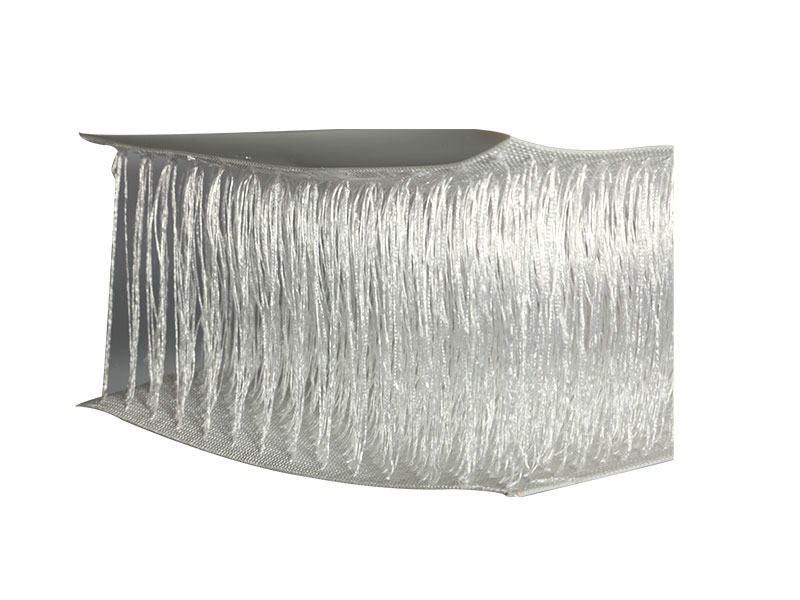
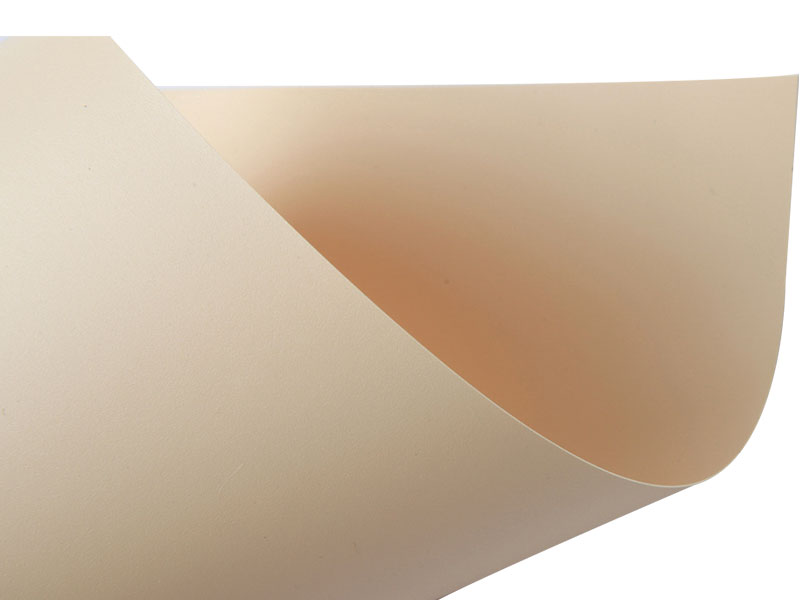
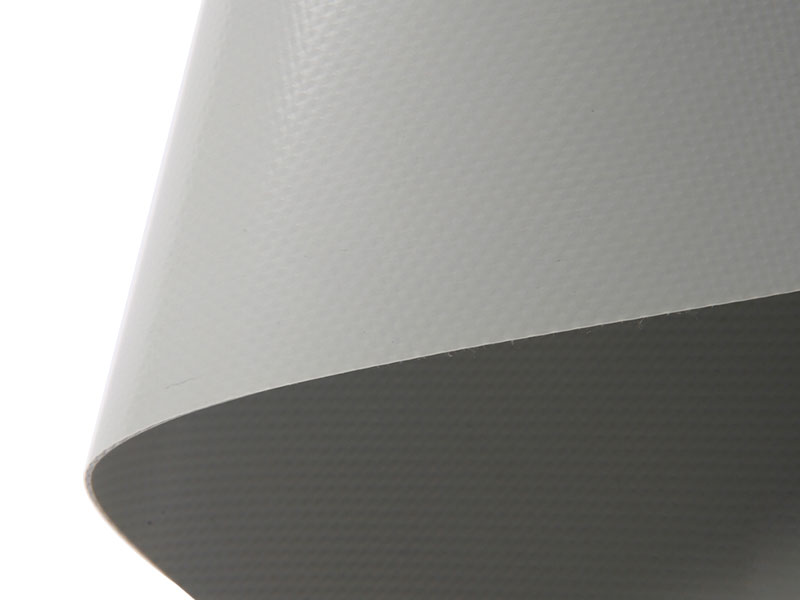
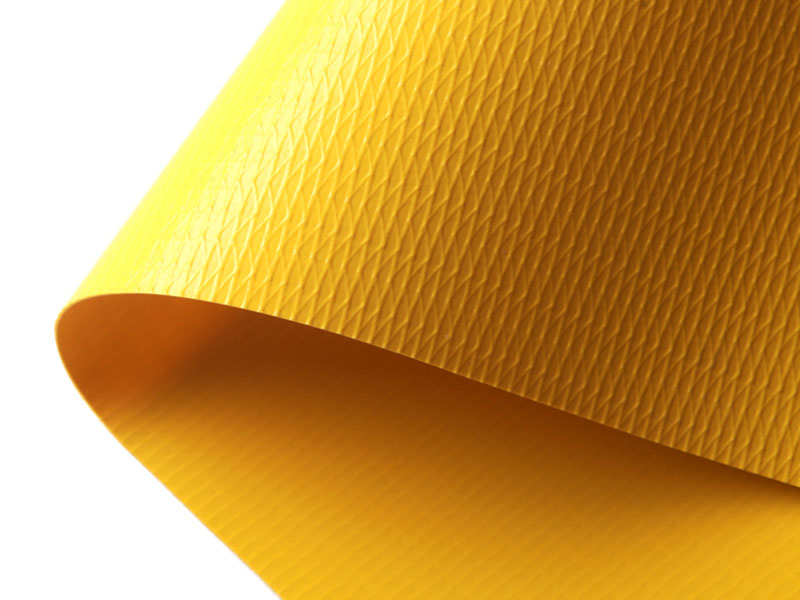
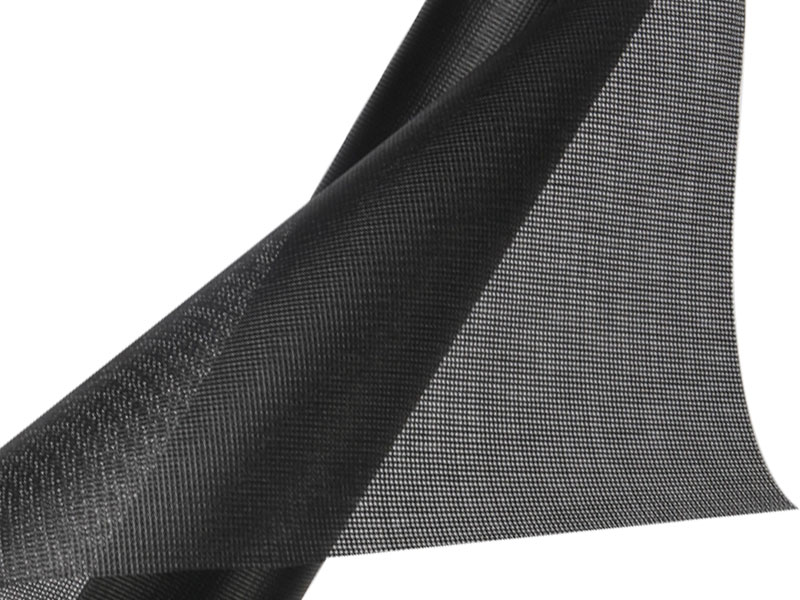
Construction and Interior Design PVC Fabric
Construction and Interior Design PVC Fabric is a coated polyvinyl chloride textile supplied to construction contractors and interior design practices for surfaces that must be installed on site or fabricated off site. The material combines a woven or knitted carrier with a PVC coating that accepts print, lamination, sewing, and high-frequency welding. It is supplied in rolls of 1.0 m to 3.0 m width, in weights from 250 g/m² to 700 g/m², and in tensioned, adhesive-backed, or mechanically fixed formats. The fabric is used for wall linings, ceiling membranes, acoustic panels, furniture faces, and temporary construction protection, and is specified where the surface must be documented for fire performance, emissions, and maintenance before it reaches the building.
Project-Facing Custom Fabric
Construction and Interior Design PVC Fabric is supplied under an ODM/OEM arrangement. Weight, carrier, surface texture, print, fixing format, and packing sequence are configured to the project rather than to a stock item. For contractors working to an interior designer's specification, the approved sample and the recorded specification sheet are held together so that later project phases can be matched to the first delivery.
Where the Two Disciplines Meet
Visual and Texture
The designer selects the visual and surface texture against the project lighting, and approves the sample on that basis. Construction and Interior Design PVC Fabric is produced to the approved sample, with the surface finish, colour, and texture recorded on the specification sheet so that the delivered material can be verified against the designer's intent.
Fixing and Sequencing
The contractor selects the fixing method against the substrate, the access requirements, and the construction sequence. The fabric is supplied in rolls or pre-cut panels to suit the fixing system, and the packing sequence follows the construction programme so that the material for each area arrives when the area is ready for it.
Acoustic and Light Behaviour
Ceiling membranes and wall linings are specified for their acoustic absorption and light diffusion, not only for their appearance. Perforated and backed fabric grades are selected against the room's acoustic requirement, and the fabric is documented as part of the acoustic assembly rather than as a standalone surface.
Compliance and Handover
The contractor is responsible for the fire performance, emissions, and maintenance documentation of the installed surface. Construction and Interior Design PVC Fabric is supplied with the reports for the tested assembly, and the batch records link the delivered material to those reports for the building's handover file.
Fabric Data
Application Settings
Wall Linings and Feature Surfaces
Contractors install Construction and Interior Design PVC Fabric on corridors, lift lobbies, and feature walls specified by the interior designer. The fabric is supplied as tensioned panels or adhesive-backed rolls, and the surface is documented for cleaning and fire performance in the project file.
Ceiling Membranes and Stretch Systems
Tensioned ceiling membranes use the fabric where a continuous surface is required across large spans. Perforated and backed grades contribute to acoustic absorption, and the membrane is documented as part of the acoustic assembly.
Furniture Faces and Joinery
Joinery fabricators bond the fabric to panel faces and profile edges for reception desks, counters, and fitted furniture. The fabric is supplied in the width needed for the panel, and the fabricator applies the fixing method recommended for the substrate.
Site Protection During Construction
Contractors use the fabric to protect finished surfaces and openings during later construction work. The fabric is supplied on rolls with eyelets and is removed at practical completion, protecting the installed finishes from dust, paint, and tool contact.
Project Questions
How is the fabric sample approved for an interior designer?
The designer approves the sample under the project lighting conditions, and the approval records the visual reference, surface texture, colour, and weight. The approved sample is retained as the production control sample, and the project specification sheet references it. Later production phases are compared against the same sample and sheet, so the first delivery and the final delivery are matched to the same standard.
Which fixing method is recommended for a corridor wall lining?
The fixing method depends on the substrate and the access requirements. Tensioned track systems are used where the wall lining may need to be opened for services access; adhesive-backed fabric is used on sealed, smooth substrates with no access requirement; mechanical profiles are used where the fabric must be replaceable. The contractor states the substrate and access requirement, and the fixing format is specified with the fabric.
How is the acoustic performance of a ceiling membrane documented?
Acoustic performance is documented as part of the ceiling assembly, not for the fabric alone. Perforated and backed fabric grades are tested with the specified backing material and the ceiling void depth, and the report covers the assembly. The contractor references the assembly report in the project file, and the fabric batch records link the delivered material to that report.
What documentation does the contractor receive for handover?
The contractor receives a material certificate stating weight, carrier, finish, and colour reference, together with the fire classification report for the tested assembly, the emissions certificate, and a maintenance sheet for the installed surface. Batch records link the delivered rolls to the certificates, so the handover file can demonstrate that the installed material matches the specified material.
Can the fabric be used for temporary site protection and then for a finished surface?
Site protection fabric and finished surface fabric are separate products within the range and are not interchangeable. Protection fabric is selected for abrasion and tear resistance during construction and is removed at practical completion. Finished surface fabric is selected for appearance, fire performance, and cleaning. The two are ordered against different specifications.
Storage and Site Handling
Store Construction and Interior Design PVC Fabric rolls upright on a core-supported rack in a dry, covered area at 15°C to 25°C. On site, keep rolls off the floor and away from wet trades until the area is ready for installation.
Allow rolls to reach room temperature for 24 hours before installation. Cold fabric is stiffer and does not tension or conform as intended, especially on ceiling membranes and curved surfaces.
Inspect each roll before installation and confirm the batch number matches the project batch record. Fabric from a different batch should not be installed on the same continuous surface, because slight colour variation between batches can be visible.
Install using the fixing system and tension recommended for the fabric. Over-tensioning distorts the surface and can pull the fabric out of the profile; under-tensioning allows the surface to sag and flutter.
Clean the installed surface with a neutral detergent solution and a soft cloth. Abrasive pads, solvent cleaners, and high-alkaline products attack the coating and dull the surface, and are excluded from the maintenance protocol.