

 English
 中文简体
 русский
 Español
 Français
 عربى
 Português
 हिंदी
 Indonesia
 فارسی
 Tiếng Việt
 Türk



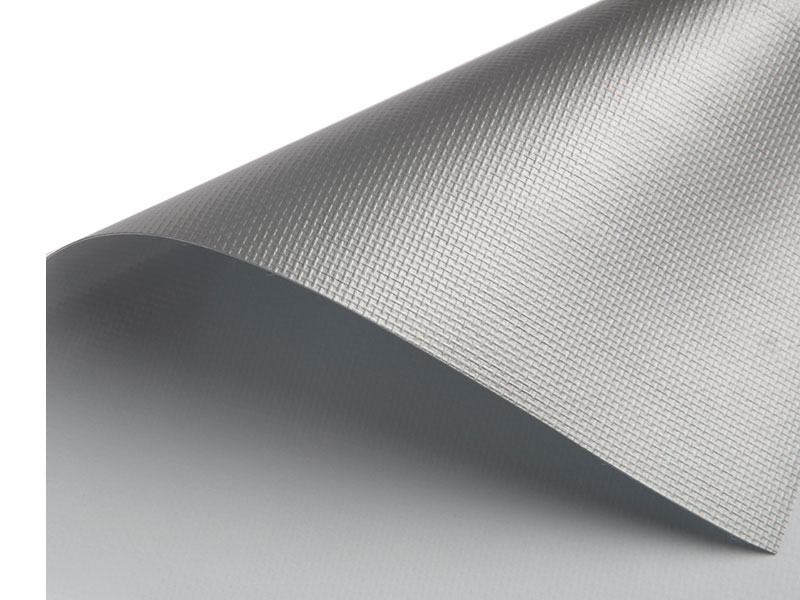
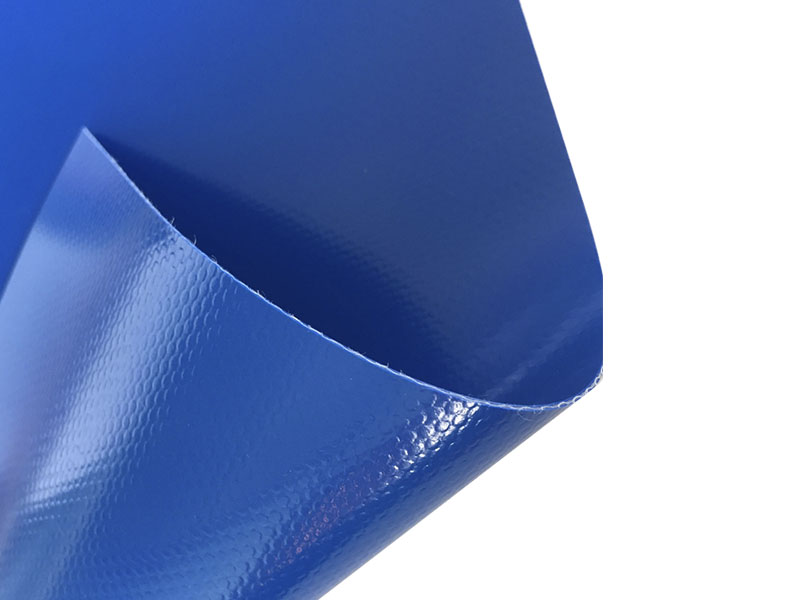
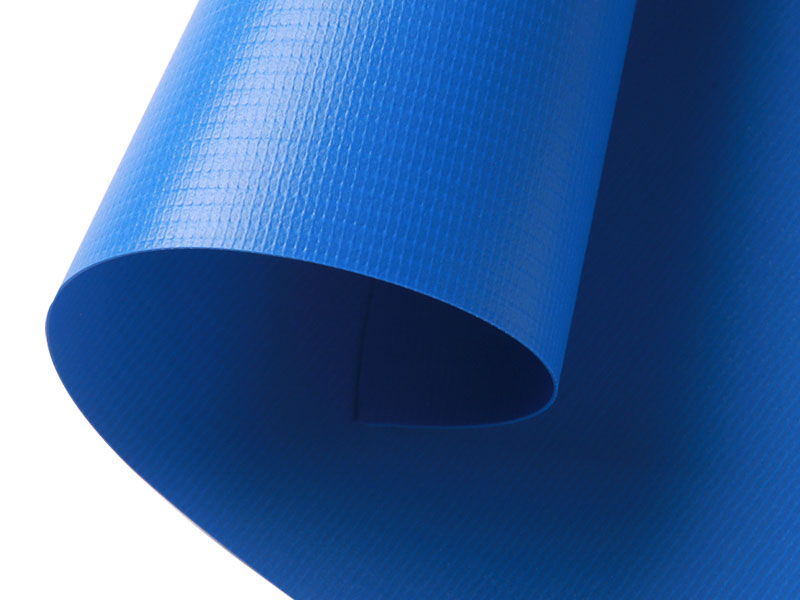
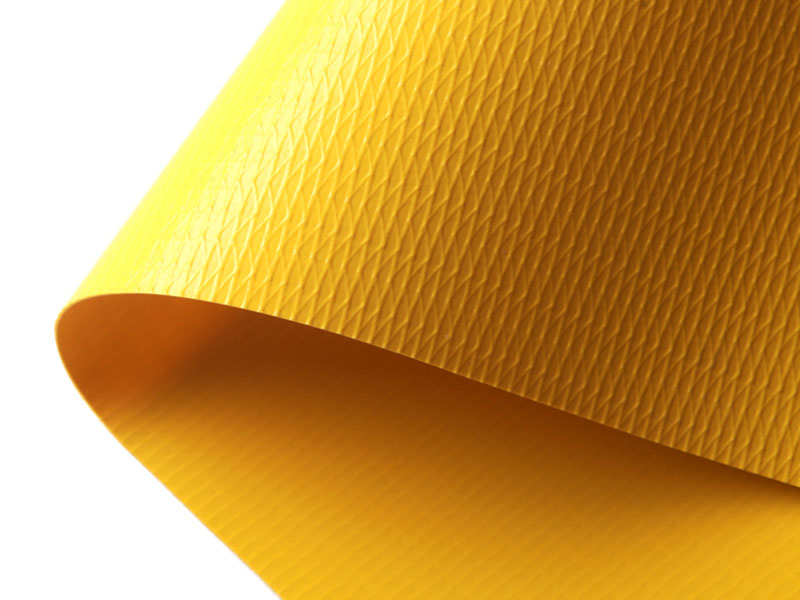
PVC Fabric For Retail Visual Merchandising
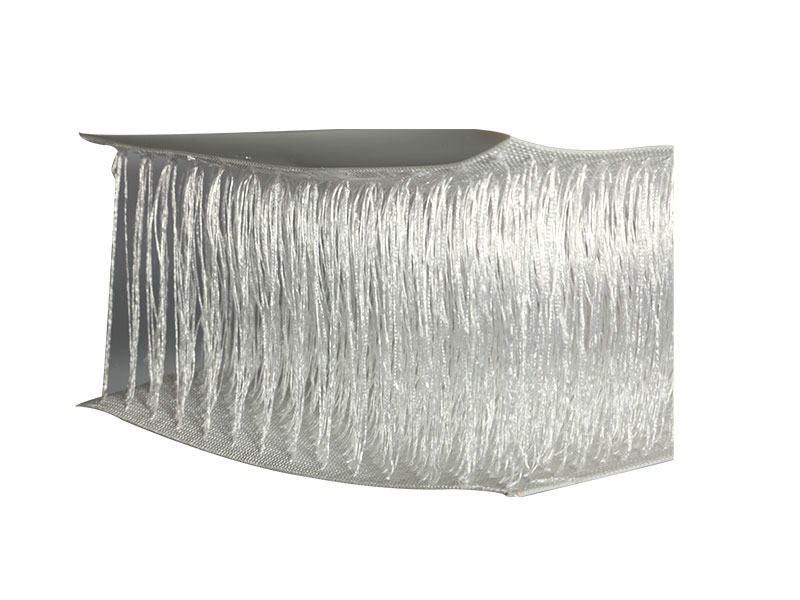
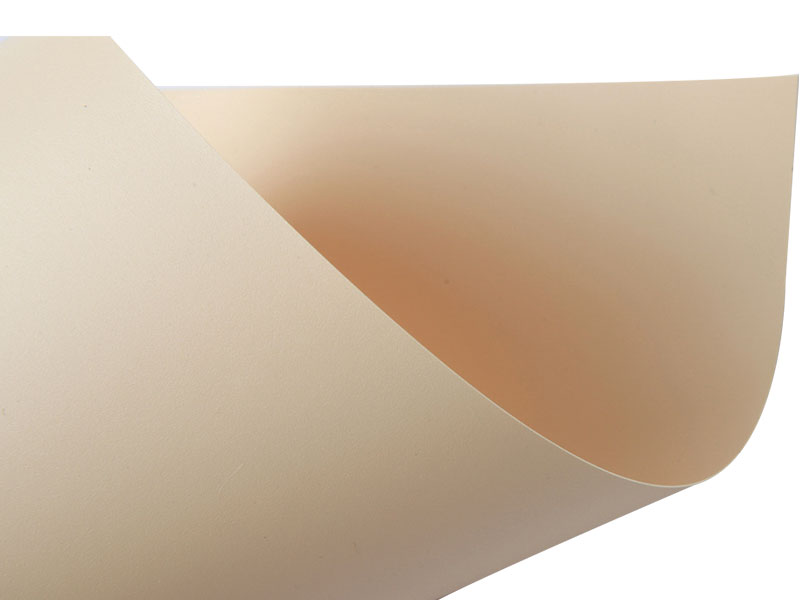
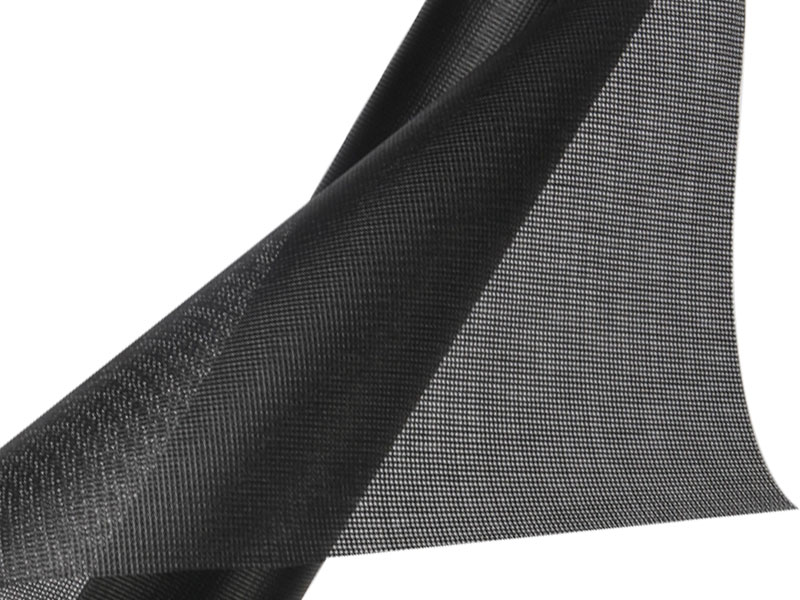
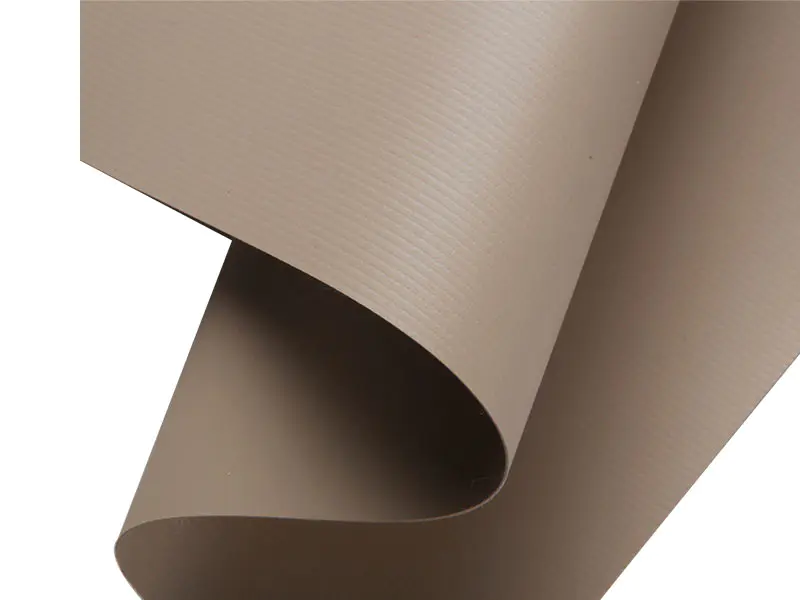
PVC Fabric For Retail Visual Merchandising is a coated polyvinyl chloride textile developed for display backdrops, window schemes, hanging banners, and shop-in-shop environments. The fabric combines a woven polyester carrier with a PVC coating that accepts digital print, lamination, and sewing, and is supplied in rolls of 1.0 m to 3.2 m width with total weight from 300 g/m² to 650 g/m². The face is formulated for high ink receptivity and colour hold under retail lighting, while the back remains stable enough for tension frames, track systems, and magnetic fixing. The material is selected where a retail scheme must be produced in multiple locations from a single artwork master and installed by store teams without specialist tools.
Campaign-Driven Custom Production
PVC Fabric For Retail Visual Merchandising is supplied under an ODM/OEM arrangement. Artwork, colour reference, fabric weight, finishing method, and packing format are configured to the retail campaign. Because the same artwork master is used across production runs, a scheme printed for a flagship store and a scheme printed for regional rollout can be compared against one approved standard.
- Buyer artwork files, brand colour library, or licensed campaign assets
- Proof on production fabric before bulk print
- Colour target recorded as a spectral value and a physical proof
- Weight from 300 g/m² to 650 g/m²
- Matte, satin, or gloss face; blockout or translucent back
- Eyelets, pole pockets, silicone edge, or sewn hem
- Roll or folded pack per store
- Store code and installation sheet in each pack
- Pallet sequencing by region and opening date
What Retail Display Demands From the Fabric
Colour Consistency Across Stores
Retail schemes are judged against a brand colour standard, not against each other. PVC Fabric For Retail Visual Merchandising is printed against a recorded spectral target, and each production run is measured against that target rather than against the previous run. The approved proof is retained so that a campaign extended into a second season can be printed to the same standard.
Handling by Store Teams
Display fabric is unpacked, hung, and removed by store staff rather than by specialist installers. The fabric is supplied with finished edges, pre-set eyelets, or a silicone edge profile so that no cutting or eyelet punching is required in store. Weight and flexibility are balanced so the fabric hangs flat from a track without sagging between fixing points.
Light and Glare Conditions
Window schemes sit behind glass under daylight and spotlights, while interior backdrops sit under track lighting and LED panels. Matte face options reduce glare and specular reflection in window displays, and the print formulation holds colour under sustained retail lighting without visible shift over a typical campaign cycle.
Reuse and Reconfiguration
Retail schemes are adjusted during the campaign as stock and promotions change. The fabric tolerates repeated hanging and removal when the edges are finished and the fabric is stored rolled rather than folded. Tension-frame and SEG systems allow single panels to be replaced without remaking the whole scheme.
Technical Data
| Base Material | PVC-coated woven polyester |
| Total Weight | 300 g/m² to 650 g/m² |
| Roll Width | 1.0 m to 3.2 m |
| Roll Length | 25 m to 100 m |
| Face Finish | Matte, satin, gloss |
| Back Options | Blockout, translucent, grey back |
| Print Method | UV digital, latex, dye sublimation |
| Colour Hold | Blue Wool 6 to 7, retail lighting conditions |
| Finishing | Eyelets, pole pockets, sewn hem, silicone edge |
| Fire Classification | EN 13501-1 B-s1, d0 (assembly dependent) |
Display Applications
Window Backdrops
Large-format window schemes use PVC Fabric For Retail Visual Merchandising as a printed backdrop behind mannequins and product plinths. Matte faces reduce glass reflection, and the fabric is supplied with pole pockets or tension edges for the store's existing window system.
Hanging Banners
In-store banners and hanging panels use lighter fabric weights with sewn hems and eyelets. The fabric hangs flat between fixing points, and the print is specified against the store's lighting to hold colour on both face and reverse.
Shop-in-Shop and Brand Corners
Brand corners within multi-brand retailers use the fabric as a printed wall and header panel. Panels are produced per brand and per store, packed with an installation sheet, and replaced when the brand scheme is refreshed.
Event and Pop-Up Structures
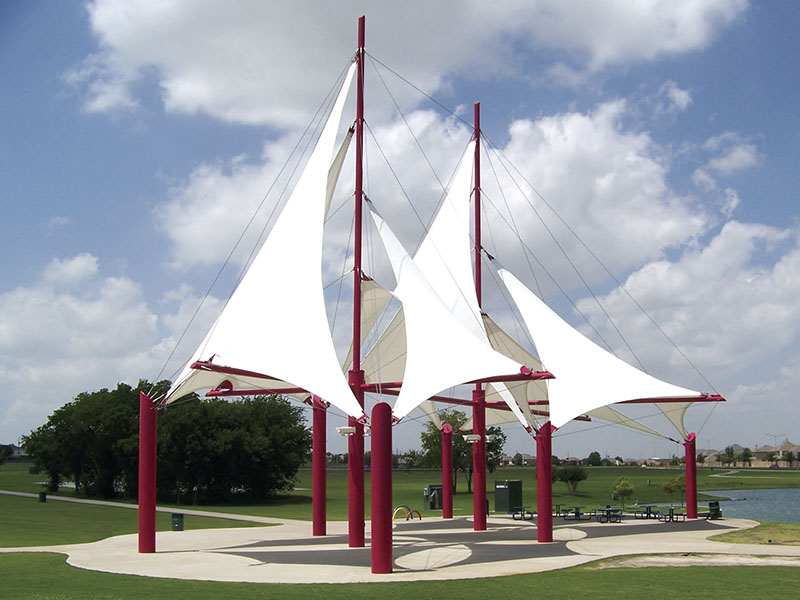
Temporary retail events and pop-up stores use the fabric for wall covers and ceiling graphics. Removable fixing systems allow the fabric to be installed on temporary structures and removed after the event without damaging the structure.
Buyer Questions
How is colour matched across stores in a rollout?
The campaign colour is recorded as a spectral value and as a physical proof on production fabric. Each production run is measured against that recorded target, not against the previous run. The proof is retained for the life of the campaign, so a second production wave printed later in the season can be compared to the same standard. Stores should not be compared against each other, because window lighting differs; the comparison is between the delivered fabric and the approved proof.
What is the difference between blockout and translucent back?
Blockout fabric prevents light passing through the print, so the graphic reads the same from the front under all lighting and the structure behind the fabric is not visible. Translucent fabric allows light through and is used in light boxes and backlit displays, where the graphic is intended to glow. The two options are not interchangeable, and the choice depends on whether the display is front-lit or backlit.
How should the fabric be packed for multi-store distribution?
Fabric for multi-store rollouts is packed per store with the store code, panel number, and installation sheet inside the pack. Large panels are supplied rolled on a core to prevent creasing, and smaller panels are supplied folded with interleaf. Packs are sequenced on the pallet by region and opening date, so that stores receiving the shipment first are the stores opening first.
Can the fabric be reused for the next campaign?
Printed fabric is specific to the campaign and is not normally reprinted for a new scheme, but the physical fabric can be stored and reused for the same campaign when the display is rotated. Reuse requires the fabric to be stored rolled, not folded, and to be hung from the same fixing system. Fabric damaged at the edges during removal should be replaced rather than repaired, because edge damage is visible on the finished display.
What documentation is supplied for a retail campaign?
Each campaign is supplied with a fabric material card stating weight, finish, and back option, a colour proof record, an installation sheet for store teams, and fire classification documentation for the assembly used in the store. Store packs carry the panel number and the campaign code, so that a missing or damaged panel can be reordered against the correct artwork and fabric specification.
Handling and Storage Notes
Store PVC Fabric For Retail Visual Merchandising rolls upright on a core-supported rack at 15°C to 25°C. Do not lay rolls on their side, as edge compression marks the printed face.
Allow rolls to reach room temperature for 24 hours before printing or finishing. Cold fabric is stiffer and produces higher tension, which affects print registration on wide panels.
Unpack store packs without cutting through the fabric. Store teams should open packs on a clean surface and check the panel number against the installation sheet before hanging.
Hang the fabric from the specified fixing system and avoid over-tensioning. Over-tensioning distorts the print and can pull eyelets or hems out of the fabric edge.
Clean the printed face with a soft dry cloth. Do not use water, solvents, or abrasive pads on printed fabric; cleaning marks and colour shift are permanent on printed surfaces.