

 English
 中文简体
 русский
 Español
 Français
 عربى
 Português
 हिंदी
 Indonesia
 فارسی
 Tiếng Việt
 Türk






Flooring Manufacturing Enhancement PVC Wear Layer
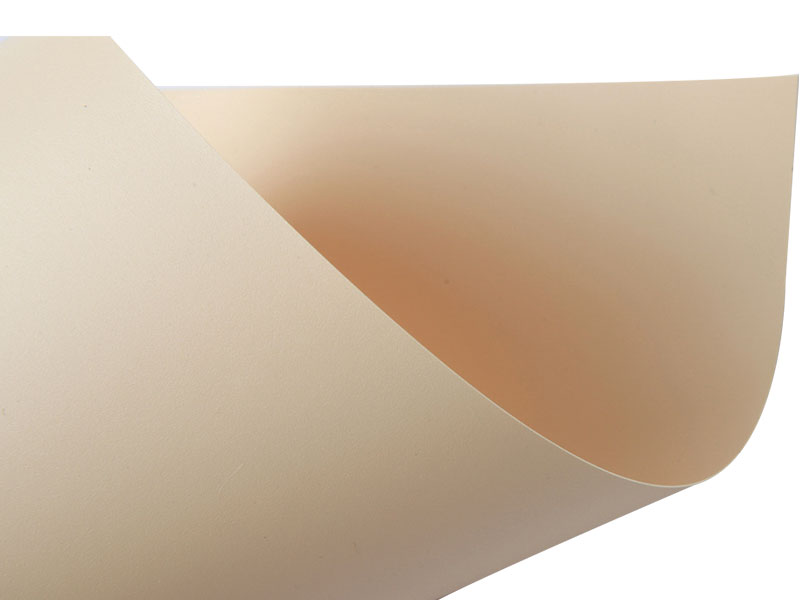
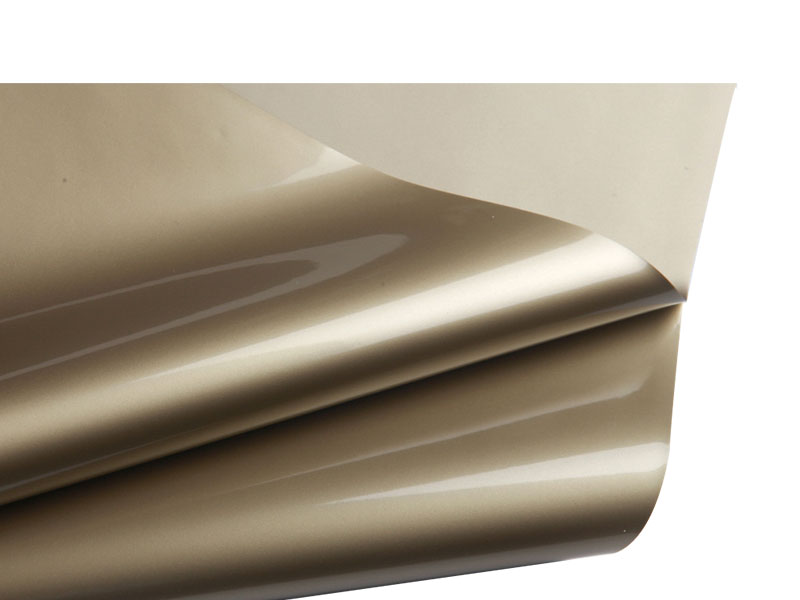
Flooring Manufacturing Enhancement PVC Wear Layer is a transparent polyvinyl chloride film supplied to resilient flooring producers as the protective top surface of SPC, WPC, LVT, and sheet flooring constructions. The film is delivered in rolls at 0.30 mm to 1.00 mm gauge and 1.0 m to 2.0 m width, with an optional UV-cured polyurethane topcoat. It is engineered to be handled by the flooring line, not by the end user: the roll must unwind at stable tension, laminate without wrinkle, accept embossing in line, and hold the finished floor's abrasion and stain performance through its service life. The material is specified by flooring manufacturers as a process input, and its quality is judged by line yield and finished-floor durability together.
Built Around Your Flooring Line
Flooring Manufacturing Enhancement PVC Wear Layer is supplied under an ODM/OEM arrangement. The film is specified against the flooring producer's line speed, nip configuration, embossing roller, and adhesive system. Gauge, topcoat chemistry, slip additive, winding tension, and roll format are set so the film behaves predictably on the line, and the approved roll specification is the acceptance standard for every lot shipped.
Line and Service Metrics
What the Line Sees Before the Floor Is Finished
Tension and Web Stability
Flooring Manufacturing Enhancement PVC Wear Layer is wound at a controlled tension so the roll unwinds at a stable web tension on the line. Inconsistent winding causes web wander, edge misalignment at the nip, and thickness variation in the finished laminate. Winding tension is recorded on the roll label and is set against the unwind stand specification of the flooring producer.
Lamination and Air Exclusion
The film is bonded to the printed substrate at the laminating nip, with heat-activated adhesive, hot-melt adhesive, or direct heat. Air trapped between the film and the substrate produces visible blisters after the embossing step. Gauge uniformity across the web and flatness of the film are the two properties that determine whether the nip can exclude air at line speed.
Texture and Topcoat Retention
The film passes through the embossing roller at controlled temperature and pressure. The topcoat must cure without cracking at the emboss relief, and the base film must retain the texture without spring-back. The formulation of the film and the cure profile of the topcoat are set together so that the emboss depth in the finished plank matches the embossing roller.
Abrasion and Stain Performance
Once installed, the wear layer defines how the floor responds to foot traffic, furniture, and cleaning agents. Abrasion resistance, stain resistance, and gloss retention are measured on the finished flooring assembly, not on the film alone, and the tests are run on laminated samples taken from the production line.
Material Parameters
Where the Wear Layer Sits in the Assembly
Line Questions
How is the film gauge specified against the flooring line?
The gauge is selected against the abrasion target of the finished flooring and the embossing step on the line. Thicker gauges support higher abrasion classes and deeper emboss, but require more careful nip control. The flooring producer states the target abrasion class and the embossing roller, and the gauge is confirmed on a lamination trial before the production order is placed.
What causes air blisters between the wear layer and the print film?
Air blisters between Flooring Manufacturing Enhancement PVC Wear Layer and the print film originate from air trapped at the nip, from solvent or moisture in the print layer outgassing at lamination temperature, or from gauge variation across the film width. The lamination trial records the nip pressure and temperature at which the film bonds without blisters, and the parameters are transferred to the production line.
How does the topcoat behave during embossing?
The topcoat is cured before the embossing step, and it must remain flexible enough to follow the emboss relief without cracking. Cracking appears as fine lines along the emboss pattern when the film is viewed under grazing light. The cure profile is verified against a formed sample before the production run, and the cured film is checked for flexibility at the emboss peak.
How is gloss retention verified on the finished flooring?
Gloss retention is measured on laminated samples taken from the production line. The sample is abraded to 1,000 cycles and the gloss value at 60 degrees is measured before and after abrasion. The difference between the two readings is reported as a Delta E or gloss unit change, and the production lot is accepted against the flooring producer's specification.
What documentation is supplied with each lot?
Each lot is issued with a material certificate stating gauge, topcoat type, gloss value, and roll dimensions, together with the abrasion and indentation test results for that lot. The certificate carries the lot number printed on the roll label, so the flooring producer can trace the wear layer back to the production record for the finished flooring batch.
Storage and Line Handling
Store Flooring Manufacturing Enhancement PVC Wear Layer rolls horizontally on a core-supported rack at 15°C to 25°C and 40% to 60% relative humidity. Do not lay rolls on their side, as edge compression creates gauge variation at the roll edge.
Allow rolls to reach line temperature for 24 hours before lamination. Cold film is stiffer and produces higher unwinding tension at the same line setting, which affects web stability and thickness at the nip.
Keep the original protective wrap in place until the roll is mounted. Dust on the film surface is pressed into the finish at the first nip and cannot be removed without affecting the surface appearance of the finished plank.
Record the lot number on the line record for each roll used. Finished flooring batches are traced back to the wear layer lot for quality investigation and for project handover documentation.
After lamination, clean the finished flooring with a neutral detergent solution and a soft mop. Avoid abrasive pads, solvent cleaners, and high-alkaline products, which degrade the topcoat and reduce the abrasion and gloss retention performance of the finished floor.