

 English
 中文简体
 русский
 Español
 Français
 عربى
 Português
 हिंदी
 Indonesia
 فارسی
 Tiếng Việt
 Türk




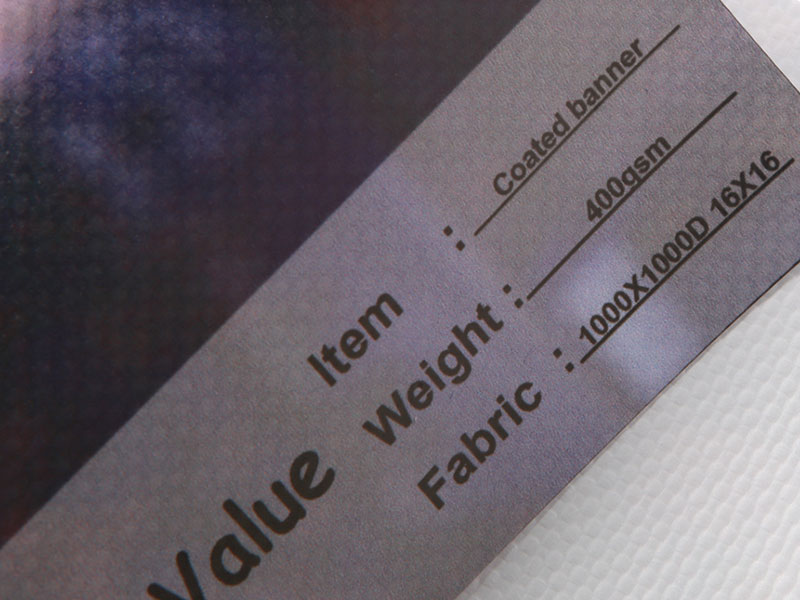


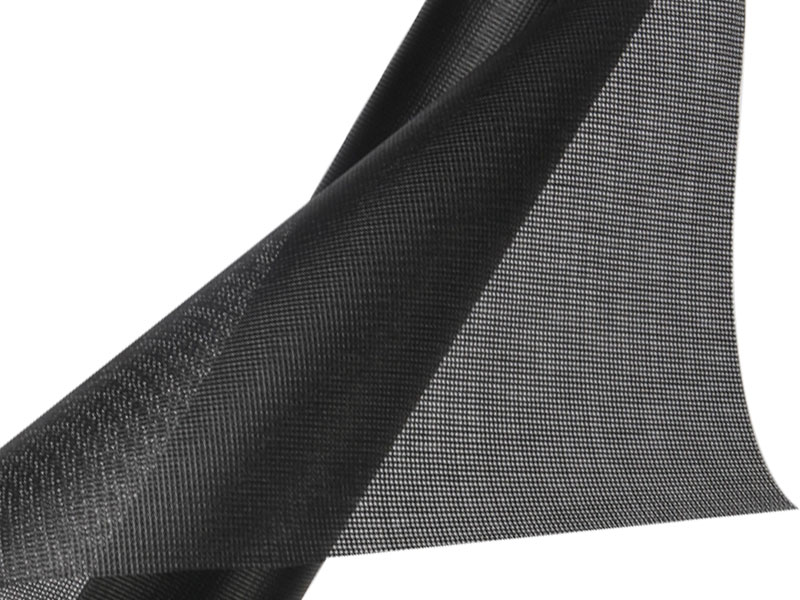
PVC Decorative Surface Lamination Fabric
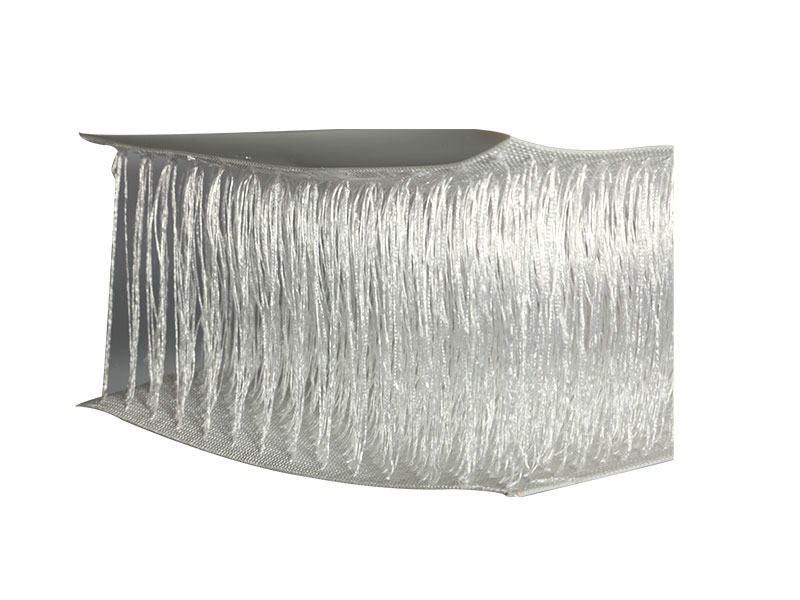
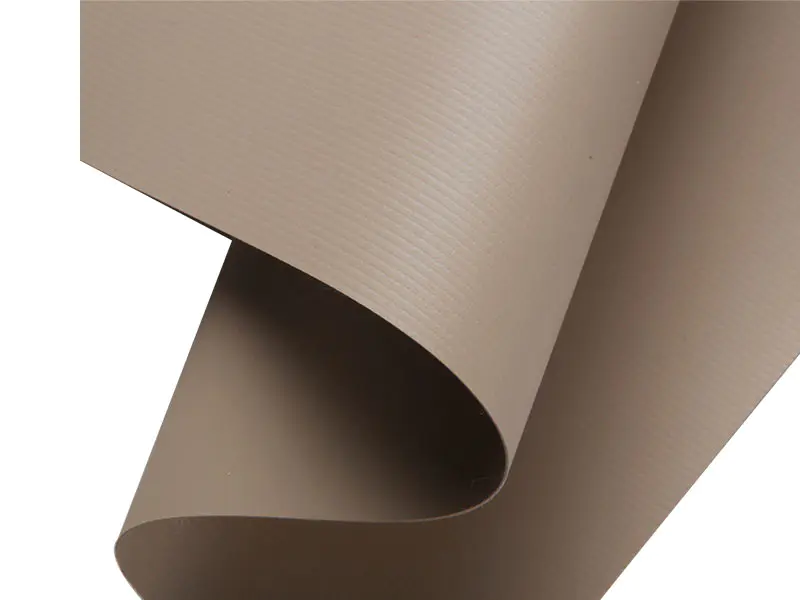
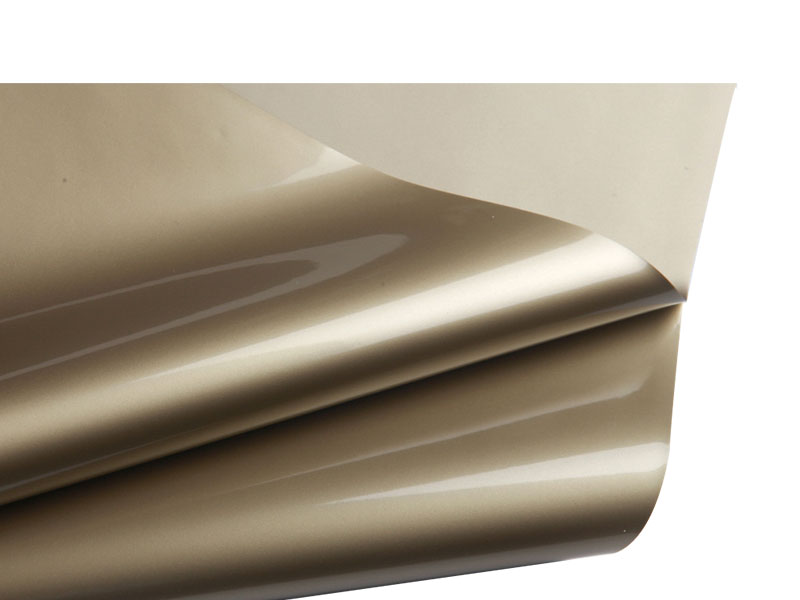
PVC Decorative Surface Lamination Fabric is a coated polyvinyl chloride textile bonded to panel substrates to provide a decorative and protective outer surface. The fabric combines a woven or non-woven carrier with a PVC coating that carries the printed or embossed visual, and is supplied in rolls of 1.0 m to 2.0 m width with total thickness from 0.20 mm to 0.80 mm. Bonding is carried out by flat lamination, membrane pressing, or profile wrapping, and the finished surface resists abrasion, moisture, and routine cleaning agents. The material is specified for furniture panels, wall linings, door skins, and display fixtures where a textile-grade hand feel is required on a rigid substrate.
Custom Lamination Fabric Program
PVC Decorative Surface Lamination Fabric is produced under an ODM/OEM arrangement. Visual, carrier type, coating weight, surface texture, adhesive system, and roll format are set to the buyer's panel program. A lamination trial on the buyer's substrate is supplied for approval, and the approved trial panel is retained as the reference for the production run.
Lamination Behavior
Substrate Compatibility
PVC Decorative Surface Lamination Fabric is bonded to MDF, particleboard, PVC foam board, aluminum composite, and steel sheet. The carrier and adhesive are matched to the substrate surface energy and porosity, so the fabric conforms to the panel surface without air entrapment or adhesive starvation at the edges.
Thermal Behavior in the Press
The fabric is formulated to flow under press temperature without losing emboss depth. The PVC coating softens within the press window, bonds to the adhesive layer, and re-sets as the panel cools. Bond strength is verified by peel testing on line samples, and the press cycle is adjusted against the panel thickness and the fabric gauge.
Edge and Profile Conformance
The woven carrier supports wrapping around radiused panel edges and profiles used in door frames and furniture trim. Conformance at the radius depends on the carrier elongation and the fabric thickness; heavier gauges require a larger radius or a softer carrier. Formed samples at the project radius are approved before production.
Surface Finish Retention
Emboss and print registration are preserved through the lamination cycle when the press pressure and temperature are set within the range specified for the fabric. Flattening of the texture after pressing indicates pressure above the window or a coating formulation that is too soft for the press cycle, and the parameters are corrected against a formed sample.
Property Reference
Lamination Routes and End Uses
Continuous laminating lines bond PVC Decorative Surface Lamination Fabric to flat panels using heat-activated or PU adhesive. The route is used for wall panels, furniture faces, and display boards, and the emboss texture is preserved at line speeds set within the adhesive cure window.
Panel faces and door skins are pressed under a silicone membrane with the fabric and adhesive in place. The fabric conforms to the panel surface and to shallow recessed details, and the press cycle is set to avoid flattening the emboss at the panel edges.
Thinner gauges of the fabric are wrapped around aluminum, PVC, and MDF profiles used in window frames, door frames, and furniture trim. The carrier allows the fabric to follow radiused corners without visible seams on the exposed face.
Forming grades are used for contoured cabinet doors and shaped interior components. The fabric is selected against the draw depth and the required texture retention, and a formed sample is approved at the project geometry before production.
Buyer Questions
How is the fabric matched to the panel substrate?
The buyer provides the substrate type, surface treatment, and the bonding method. The supplier selects the carrier and adhesive system against those inputs and supplies a lamination trial on the buyer's substrate. The trial is evaluated for bond strength, surface appearance, and emboss retention, and the approved trial becomes the reference for the production run.
What causes delamination after pressing?
Delamination after pressing typically results from insufficient press temperature at the adhesive interface, adhesive coat weight outside the recommended range, or a substrate that was not cleaned before lamination. The press cycle and adhesive coat weight are verified on line samples, and the substrate is checked for dust and oil before the fabric is applied.
Can the fabric be used on curved and radiused edges?
Yes, when the fabric gauge and carrier are selected for the radius. Thinner gauges and softer carriers conform to smaller radii, while heavier gauges are used on flat faces and larger radii. The minimum bending radius is confirmed on a formed sample at the project geometry, and the approved radius is recorded on the order sheet.
How is emboss depth retained through lamination?
Emboss depth is retained when the press pressure, temperature, and dwell time are set within the range specified for the fabric. Pressure above the window flattens the relief, and temperature above the window softens the coating enough to collapse the texture. The press parameters are verified against a formed sample before the production run, and the sample is retained as the reference.
What documentation is issued with each order?
Each order is supplied with a material card stating visual reference, carrier, coating weight, total thickness, and color reference, together with the fire classification report for the tested assembly and the emissions certificate for the grade supplied. Batch codes on the roll label link the delivered material to the documentation, supporting project handover files.
Storage and Handling
Store PVC Decorative Surface Lamination Fabric rolls upright on a core-supported rack at 15°C to 25°C and 40% to 60% relative humidity. Do not lay rolls on their side, as edge compression flattens the emboss and marks the surface.
Allow rolls to reach line temperature for 24 hours before lamination. Cold fabric is stiffer and produces higher unwinding tension, which can stretch the carrier and alter the surface appearance.
Keep the original protective wrap in place until the roll is mounted. Dust settled on the fabric surface is pressed into the coating at the first nip and is difficult to remove without damaging the finish.
Clean finished surfaces with a neutral detergent solution and a soft cloth. Abrasive pads, solvent cleaners, and high-alkaline products attack the coating and dull the surface, and are excluded from the maintenance protocol.
Keep unused rolls wrapped and record the lot number. Fabric from different lots should not be used on a continuous panel face, because slight color variation between lots can be visible under daylight.